Table of Contents Show
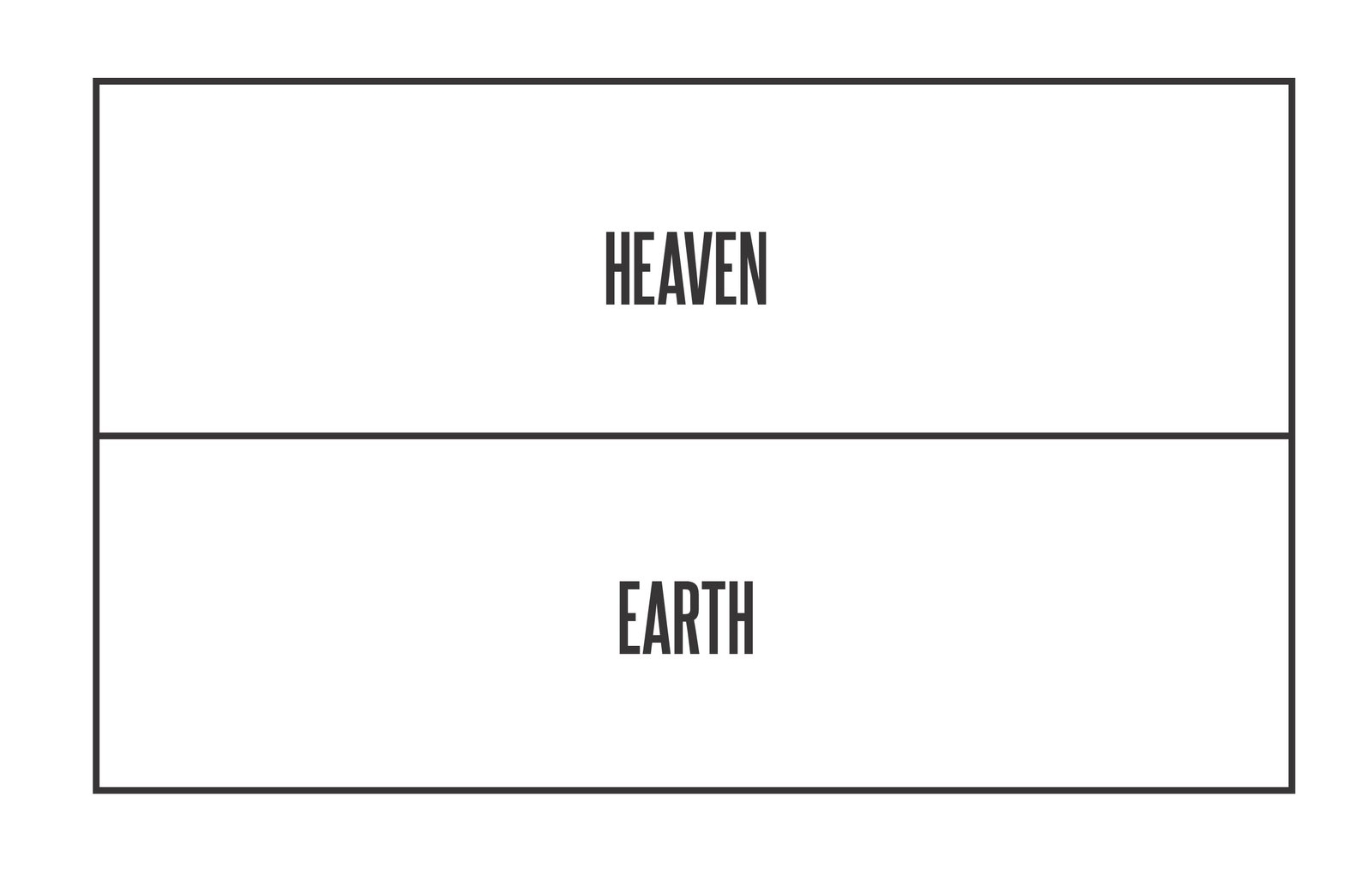
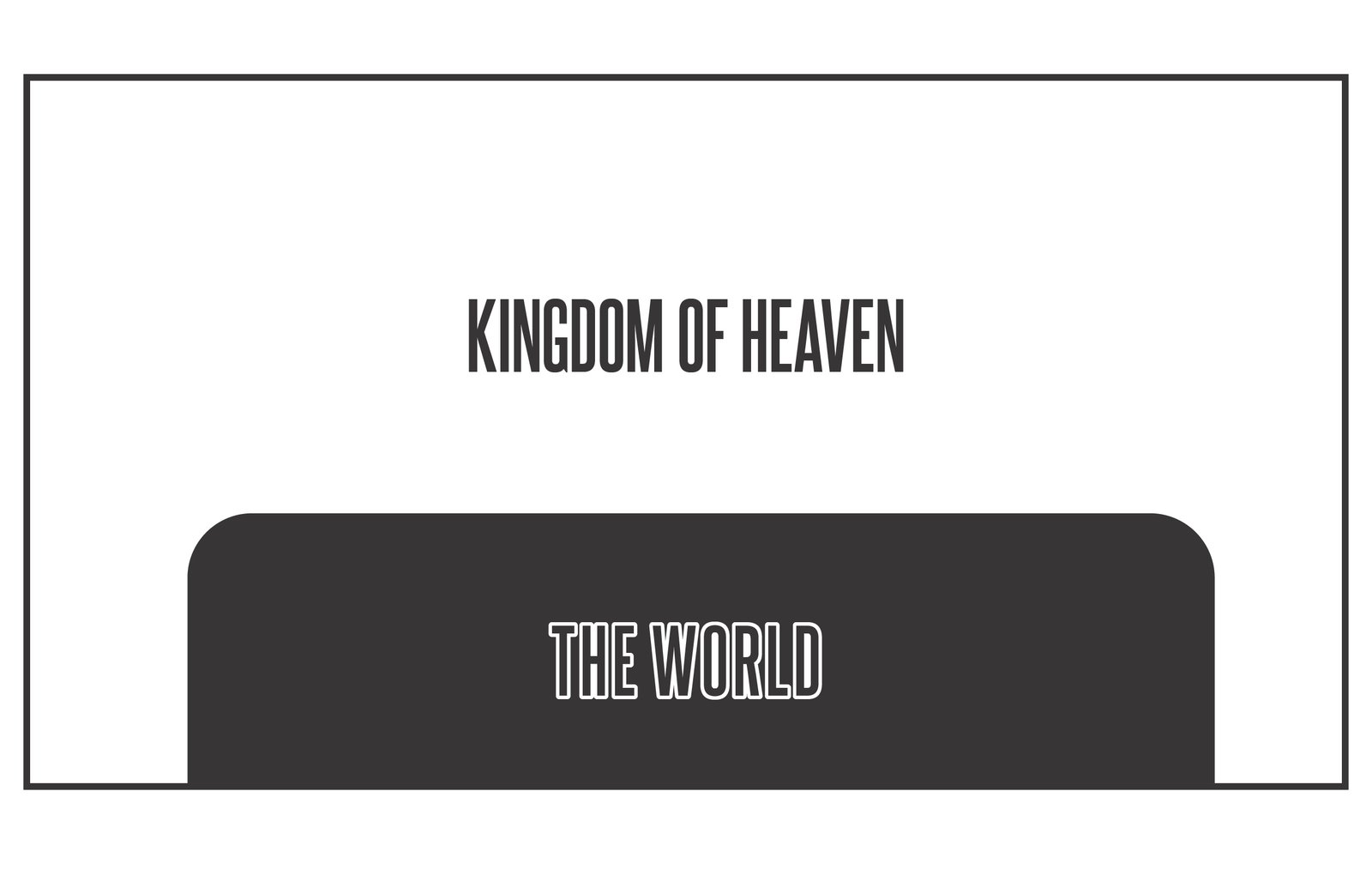
Scholars like Francis Schaeffer and Dallas Willard, both heavyweights, document how Western Christianity bifurcated truth into two realms. In other words, it treated the world as if there were two sets of truths: one contains physical and the other meaning and morality.
Schaeffer argued that separating these two stories created a fatal disconnect, increasingly pushing religion into an upper story while leaving science and empirical knowledge in a lower story. This false dichotomy splits people and relationships. Western thought forced people to live in the “lower story” of daily scientific and practical life, while hoping for meaning in the “upper story.”
He taught that a “line of despair” divided Grace (the upper story of meaning, faith, and morals) from Nature (the lower story of science, rationality, and particulars). Western Christianity assumed absolute authority of the “upper story,” putting “spiritual” on the top with everything else below, including Nature. One side effect was the idea that ministry is a high (upper story) calling, when it always simply meant “service.”
Scripture cuts through bone and soul, heart and logic, simultaneously with its devices (Hebrews 4:12). It has its own logic, systems, and “beliefs.” We need not add anything to them. Scripture has depth, and acts like a mirror (James 1:23-25).
However, we must be willing to stare into it, to know it, and let it stare back at us. This is factual, evidential, and observable in Scripture, instead of just some esoteric, woo-woo-sounding abstract concept.
The ancient word, “mystery,” illustrates the Upper/Lower Story of the first-century world. Paul’s use of mystery has been explored here, as well as John’s apparent absence of it here. However, it isn’t the only tool Scripture uses to reshape perception.
Synoptic Tradition: Parabolic Concealment & Prophetic Continuity
“The parables were not intended to be simple illustrations for the uneducated… they were weapons of controversy… intended to conceal the message from those outside.”
— Joachim Jeremias
Most scholars agree that Mark is generally written for a Roman audience. The Greco-Roman world was full of mystery cults promising different results. Christianity used the same word and, in fact, a later Roman would criticize the “mysteries” of Christians:
“The Christians have their mysteries like all other religions; that is to say, doctrines which they do not publish indiscriminately to everyone… They derive from these secret teachings strange powers that allow them to perform wonders that exceed those of other mystery cults, expelling demons and healing diseases through the mere invocation of names.”
— Celsus, quoted in Origen’s Contra Celsum around 248 AD
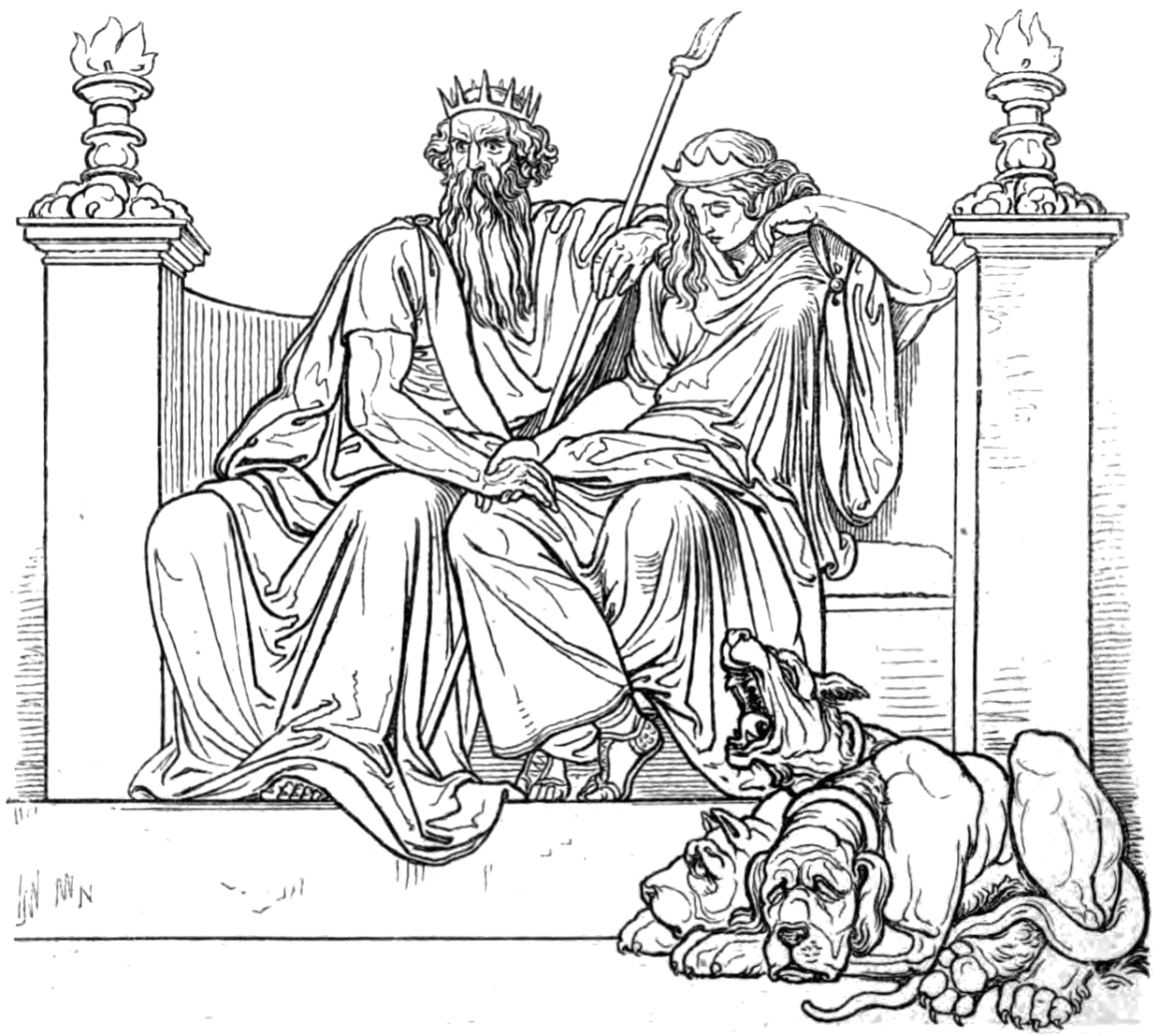
The Greek word mystērion (μυστήριον) comes from mýō (μύω), meaning “to close” either the eyes or the mouth. Its meaning was a “secret.” As a truth one was initiated into, “mystery” was strongly associated with pagan mysteries like the Eleusian, Dionysian, and Orphic rites, with widespread popularity. A mystery was not an unsolvable puzzle or inaccessible esoteric knowledge. Mysteries had to be experienced to be learned, and their depths took time to explore.
Mysteries were a divine reality or purpose that was once hidden but now revealed by God. It remains inaccessible not because it is irrational, but because it must be received through surrender and experience, not merely discovered through human reasoning.
Mark 4:11-12 says,
“To you has been given the secret (mysterion) of the kingdom of God, but for those outside, everything comes in parables; in order that ‘they may indeed look, but not perceive, and may indeed listen, but not understand…'”
Parables worked like psycho-spiritual filters, as well as plumb lines. Egos can take a long time to learn a lesson. By using practical scenarios and storytelling (the “lower” earthly story), parables bypassed the scrutiny of Herodian and Roman authorities who would perceive only benign moral tales (“woo-woo”).
Simultaneously, these narratives taught enlightening and liberating theological and political truths regarding God’s kingdom (the “upper” spiritual/eschatological story) to followers. In contrast to simply stating a singular truth, a parable provides a narrative backbone into which spiritual truths would be woven. In practical terms, the more time a person spent with it, the more they could learn. This is also a practical example of “esoteric” (inner) truths.
The delineation between those who were willing to understand and those who were unwilling intentionally fractured the audience into “insiders” and “outsiders” based on their capacity to decode the metaphor and the invitation to do so: “He who has ears, let him hear” (Matthew 11:15, cf. Psalm 115:5-8).
Matthew’s Callback to Isaiah
“Jesus’ parables are not abstract moral illustrations but subversive stories that challenge the dominant worldview of his day and articulate a new way of being the people of God.”
— N.T. Wright
Matthew explicitly grounds the “lower story” of the parables with the prophetic tradition of judicial hardening (Isaiah 6). This phenomenon was also center stage in Pharaoh’s heart hardening (lit. becoming heavier). Again, while Matthew is more Jewish in its constitution, it also uses the word “mystery.”
This was not surprising to Jews either. In Deuteronomy 29:29, God told the ancient Jews, “The secret things belong to the Lord our God, but the things that are revealed belong to us and to our children forever, that we may do all the words of this law.” The same language used by other mysteries is used here within the context of the Torah.
Later in the Septuagint, a Greek translation of the Old Testament, mystērion is frequently found in the book of Daniel (Daniel 2:18, 2:27) for the Aramaic word raz (a divine secret requiring revelation). It also appears frequently in apocryphal and deuterocanonical books like Wisdom, Sirach, and Tobit.

So, in Matthew 13:10–14, Jesus quotes from Isaiah 6:9–10,
“Then the disciples came and said to him, ‘Why do you speak to them in parables?’ And he answered them, ‘To you it has been given to know the secrets of the kingdom of heaven, but to them it has not been given. For to the one who has, more will be given, and he will have an abundance, but from the one who has not, even what he has will be taken away. This is why I speak to them in parables, because seeing they do not see, and hearing they do not hear, nor do they understand. Indeed, in their case the prophecy of Isaiah is fulfilled that says:
“‘You will indeed hear but never understand,
and you will indeed see but never perceive.’”
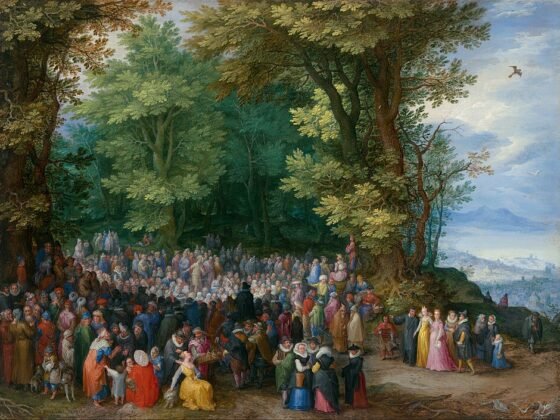
The parable just before in Matthew 13:1-9 was the Parable of the Sower, a parable about what kind of ground receives God’s Word. The farm imagery served as a simple lesson that was easy enough to ignore as a religious lesson. For Jesus’ disciples, upper story initiates, “seeing” and “hearing” shift from physical senses to ontological (“being“) categories, revealing that the concealment itself is an unavoidable side effect of hardened hearts.
“The use of Isaiah 6 in the parable chapter demonstrates that the concealment motif serves judicial rather than merely pedagogical purposes…The parables both reveal and conceal, depending entirely on the receptor’s relation to Jesus.”
— Klyne Snodgrass
Hebrews’ Challenge to Dualistic Dependence
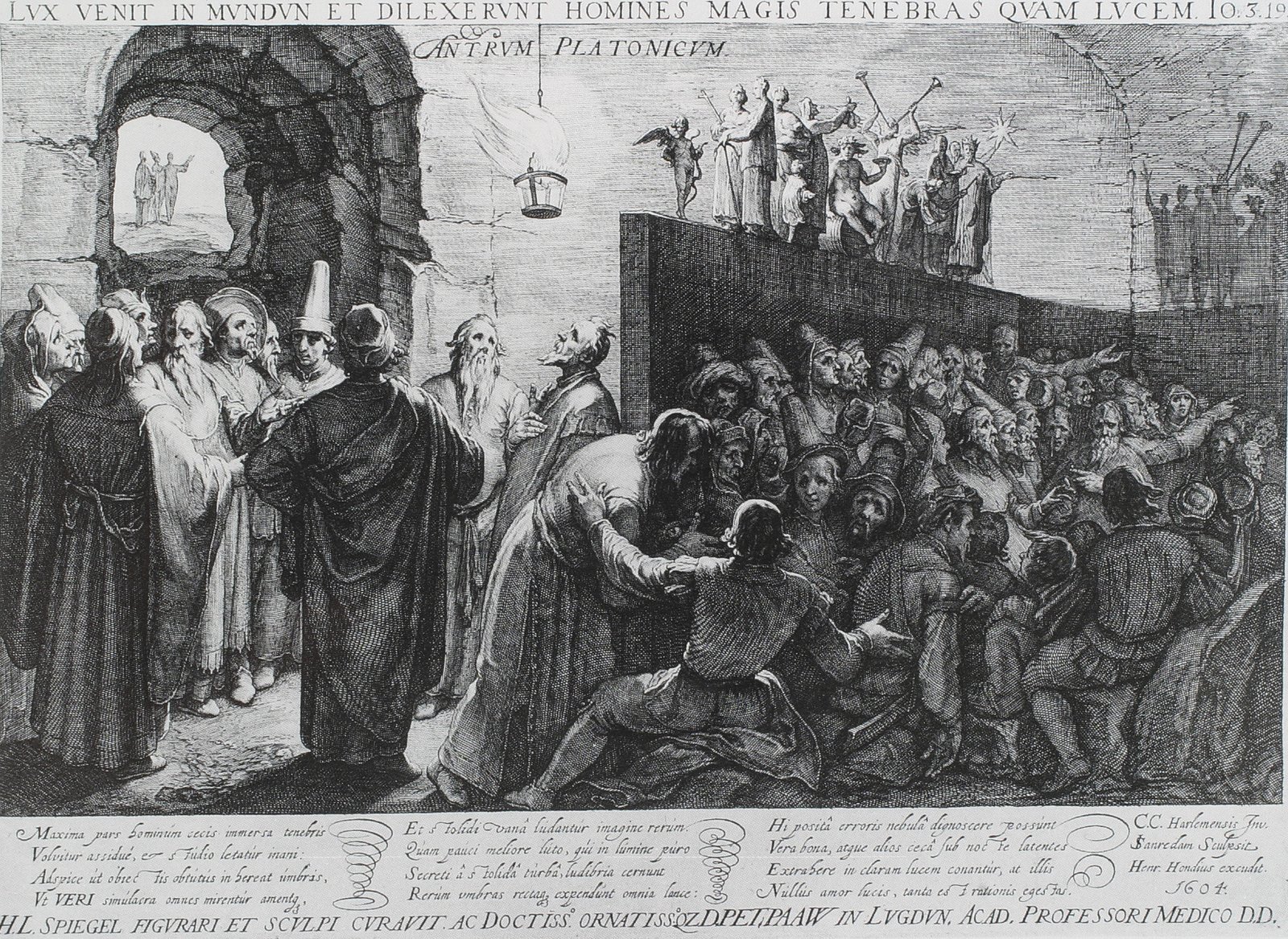
The book of Hebrews is often noted for its Platonic influence, meaning it was playing with Plato’s ideas of shadows and forms. Plato’s allegory of the cave, where people are trapped watching shadows of reality, while someone escapes into broad daylight and returns in an attempt to explain the truth to the others, came up in high school and Bible college. Its plot can also be read as an illustration of unveiling a mystery.
“In Hebrews, the earthly tabernacle is not the reality, but only the shadow (skia) cast by the reality…The true form (eikōn) is found only in the heavenly realm. The author uses this framework to show that the new covenant does not replace something real with something spiritual, but replaces the shadow with the reality.”
— Luke Timothy Johnson
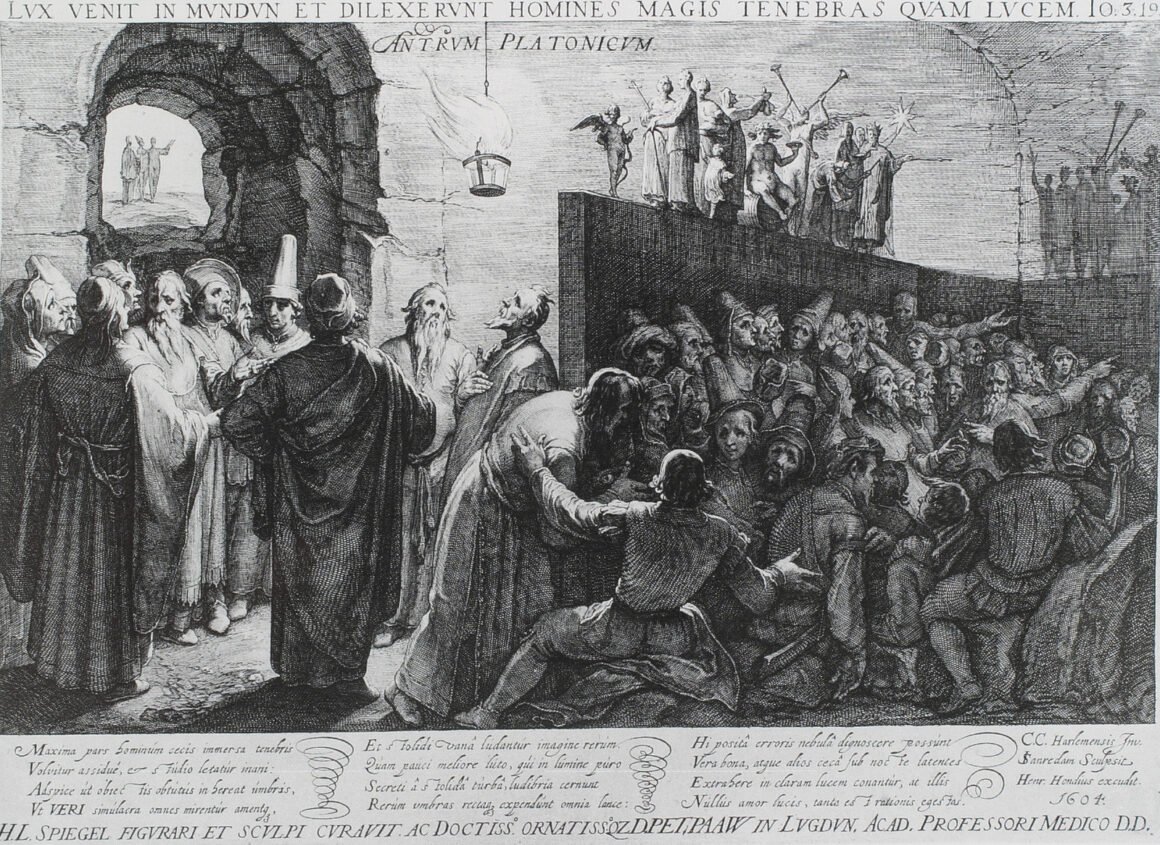
Plato would often borrow ancient mystery cult terminology and apply them to the pursuit of truth:
“Those who instituted the mysteries for us appear to have been by no means contemptible, but in reality to have intimated long ago that whoever shall arrive in Hades unexpiated and uninitiated shall lie in mud, but he that arrives there purified and initiated, shall dwell with the gods. For there are many, as they say in the mysteries, who carry the thyrsus, but few who are inspired.”
— Plato
Greek philosophy was not foreign to Jews. One of our primary historical sources for first-century Israel was Josephus, a Jew influenced by Hellenistic philosophy.
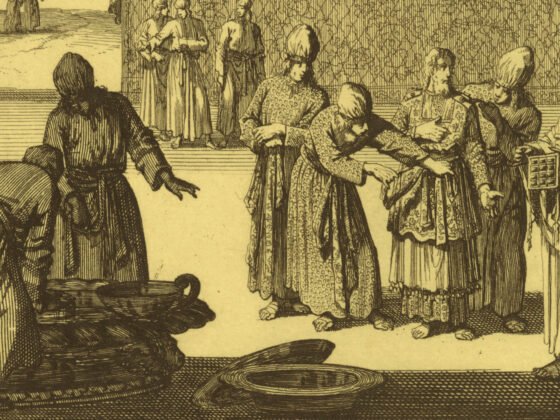
The author of Hebrews engaged and utilized Platonic concepts within Jewish apocalyptic eschatology. It categorizes the Levitical cult (temple, priesthood, and sacrificial system) as a “lower” story: institutions that were copies, sketches, and shadows. They were not inherently false, but they were ontologically (or “as a matter of being“)subordinate and provisional to the full intended revelation carried in Christ.
Hebrews employs Platonic-sounding categories while interpreting Israel’s Scriptures to show that a deeper, uniting pattern existed before Jesus arrived and always hinted at. For example, in Hebrews 8:5, the writer said,
“[The Temple priests] offer worship in a sanctuary that is a sketch and shadow of the heavenly one; for Moses, when he was about to erect the tent, was warned, ‘See that you make everything according to the pattern that was shown you on the mountain.'”
Later, Hebrews 10:1 used “shadow” and “form” again as upper/lower story markers.
“For since the law has but a shadow of the good things to come instead of the true form of these realities, it can never, by the same sacrifices that are continually offered every year, make perfect those who draw near.”
Hebrews neither collapses dualism nor simply adopts Platonic dualism. Scripture is pretty clear about oneness. Instead, Hebrews reframes Judaism christologically and eschatologically. The “upper” story is the true and genuine (alēthino) heavenly sanctuary where Christ now officiates as high priest. These realities were made evident, according to Hebrews, and available through Christ without the need for a mediator.
To an external observer or an early practitioner, visible earthly rites could seem like the ultimate spiritual axiom, when, in truth, it was the transformation of the individual: “The Kingdom of God is within you” (Luke 17:20-21).
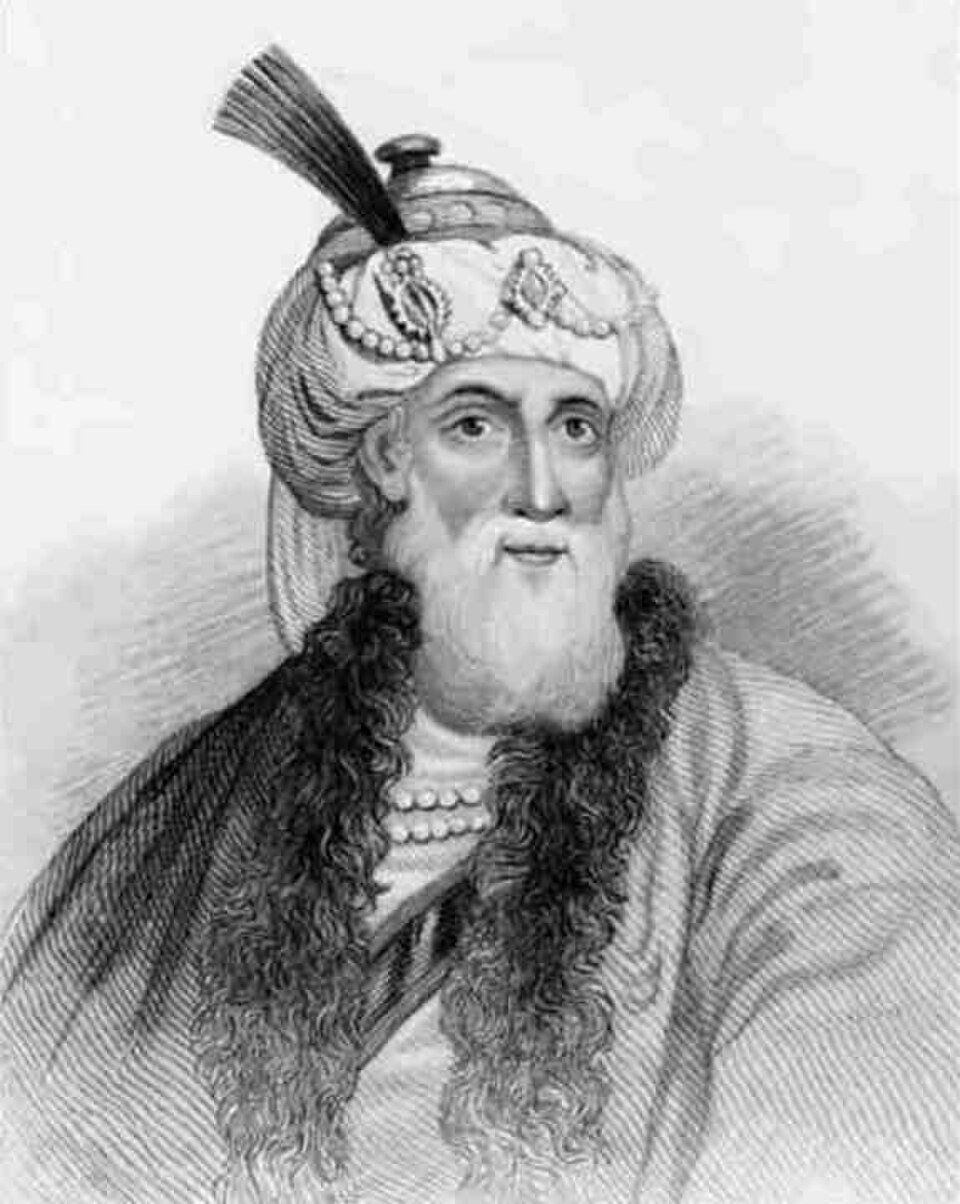
Hebrews speaks a subversive truth to its marginalized Jewish-Christian audience, likely facing persecution leading up to the loss of Jerusalem and its Temple in 70 AD. Hebrews argued that the “lower” earthly institutions were only ever meant to act as silhouettes, outlining the contours of the “upper” eternal reality. By anchoring ultimate truth in the unseen, the author structurally immunizes the community against the collapse of earthly, material religious systems.
“The author of Hebrews employs a spatial dualism of heaven and earth, contrasting the heavenly reality with its earthly counterpart… The vocabulary of ‘copy’ and ‘shadow’ demonstrates that the earthly sanctuary possesses no independent validity; its entire significance consists in pointing beyond itself to the heavenly reality.”
— Craig R. Koester
Apocalyptic Resistance: Mythic Coding & Gematria
“The Book of Revelation provides a prophetic critique of the system of Roman power…Its coded language allowed it to circulate safely among the churches while delivering a devastating indictment of the empire’s economic and political exploitation.”
— Richard Bauckham
The book of Revelation is actually called “The Apocalypse of John.” Apocalypse meant “unveiling” and was a term heavily used by other apocalyptic Jews. This genre used coded language and referred to deeper truths that can be easy to skip over. The Book of Enoch and the Sibylline Oracles are two examples of well-known writings around the time of Revelation’s writing, both making significant use of the word mystery. In the Greek translations of Daniel and works like 1 Enoch, they use apokalyptō as an unveiling of mysteries. Revelation’s modern-day name is a nod to the same concept.
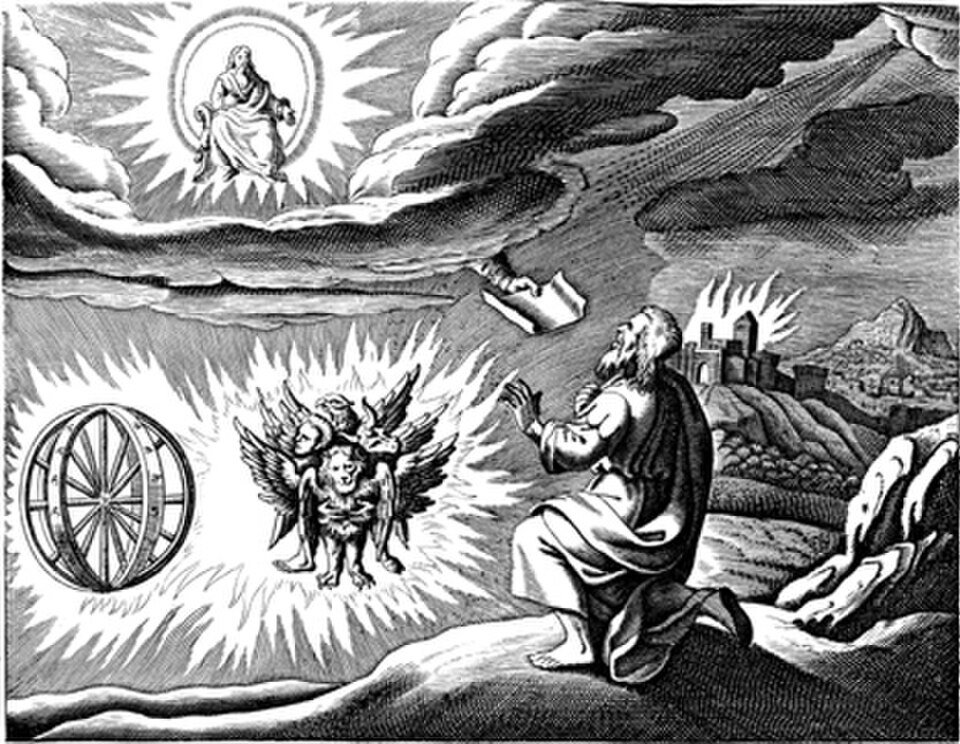
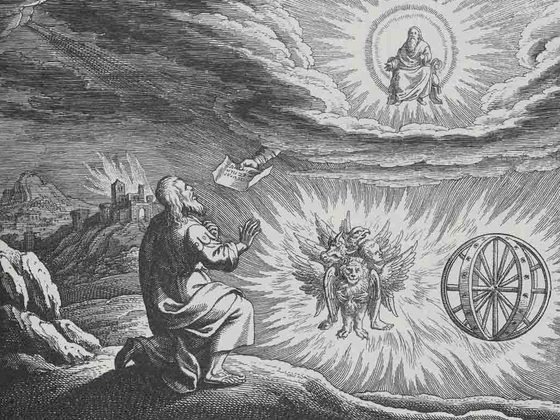
For reference, read these in their entirety: Ezekiel 1:1–28, Ezekiel 4:1–17, Ezekiel 8:1–3, Ezekiel 12:1–16.
Apocalyptic literature operated on a two-tier framework (heavenly realities determining earthly events), and used symbolic and coded language to smuggle in meaning. Gematria is a practice of assigning numerical values to letters to encode or reveal meaning. Ancient letters could be used as numbers, as in how the Sibylline Oracles used a gematria to encode Nero’s name as an object lesson. Revelation did the same thing with 666, which correlates to Nero Caesar in Hebrew consonants. The New Testament is a collection of works that survived by shrewdly working around Roman censors.
Revelation 13:18 used gematria as encoded language to use the ancient Nero resurrection superstition as a polemic (a counterargument) to an egoic world:
“This calls for wisdom: let anyone with understanding calculate the number of the beast, for it is the number of a person. Its number is six hundred sixty-six.”
To the elite and unfamiliar, Revelation could appear like a chaotic mythological futuristic fantasy. To the persecuted churches of the first-century Mediterranean (upper story), it functioned as an invitation to remain faithful and a socio-political critique, exposing Rome as a demonic parody of God’s kingdom and offering structural resilience to the marginalized. It was an eschatological truth that could only be comprehended through initiation into the mystery of Christ:
“To them God chose to make known how great among the Gentiles are the riches of the glory of this mystery, which is Christ in you, the hope of glory.”
— Colossians 1:27
Sidenote: The mystery of Christ is beautifully illustrated on the road to Emmaus in Luke. Jesus doesn’t simply give two grieving disciples new information; He patiently walks them into a new way of seeing, revealing that the Scriptures had been telling one unified story all along. The Emmaus Road is explored in depth here.
Returning to Eden
There is a second-century parable about four rabbis who entered Pardes. Pardes is the Hebrew word for a garden, a call back to Eden, as well as a Jewish hermeneutic interpretation (i.e., a model for understanding Scripture). Pardes was a medieval acronym for four different levels of understanding Scripture:
- Pashat (literal/surface)
- Remez (allegorical/hints)
- Derash (homiletical/inquire)
- Sod (secret/mystical)
The story, found in the Babylonian Talmud (Tractate Hagigah 14b), goes that four men entered Pardes and dared to stare into Sod by practicing a protected meditation technique based on Ezekiel’s visions. One man died. Another went insane. A third couldn’t handle the implications of what he saw and was convinced God was evil. And the fourth, Rabbi Akiva, came out whole and departed in peace.
Rabbi Akiva was executed, literally, for his faith, apparently reciting the Shema, grateful for the blessing to love God with his soul.
From The Son of Man & Its Mystic Awakening.
The Bible’s mysteries are not hidden information guarded by gatekeepers, but a mode of formation available to anyone who can hear them. Scripture offers truth without pretense, sanity for those wanting it, and peace for those hungry for it.
Put it under a microscope.
Chew on it.
Test it.
Spit it back out.
Just don’t stop wrestling with it. It wrestles back.
God never asked us to choose between an upper or lower story: quite the opposite. Every page of the Bible invites us to see that it was always one story. Its mysteries were never puzzles, but guides for its students—honest about the cost, direct about the methods. Its promises are not extravagant. They’re just untried.
*Updated: 7/9/2026