Narrative Theology:
A Map of Resurrection
Speaking To Anyone Ready to Listen
We don’t read the Bible to find rules; we read it to find ourselves and the God haunting us. By looking through the lens of original languages and historical context, the “Cover to Cover” story changes from divine retribution or a behavior modification manual to a map of resurrection.
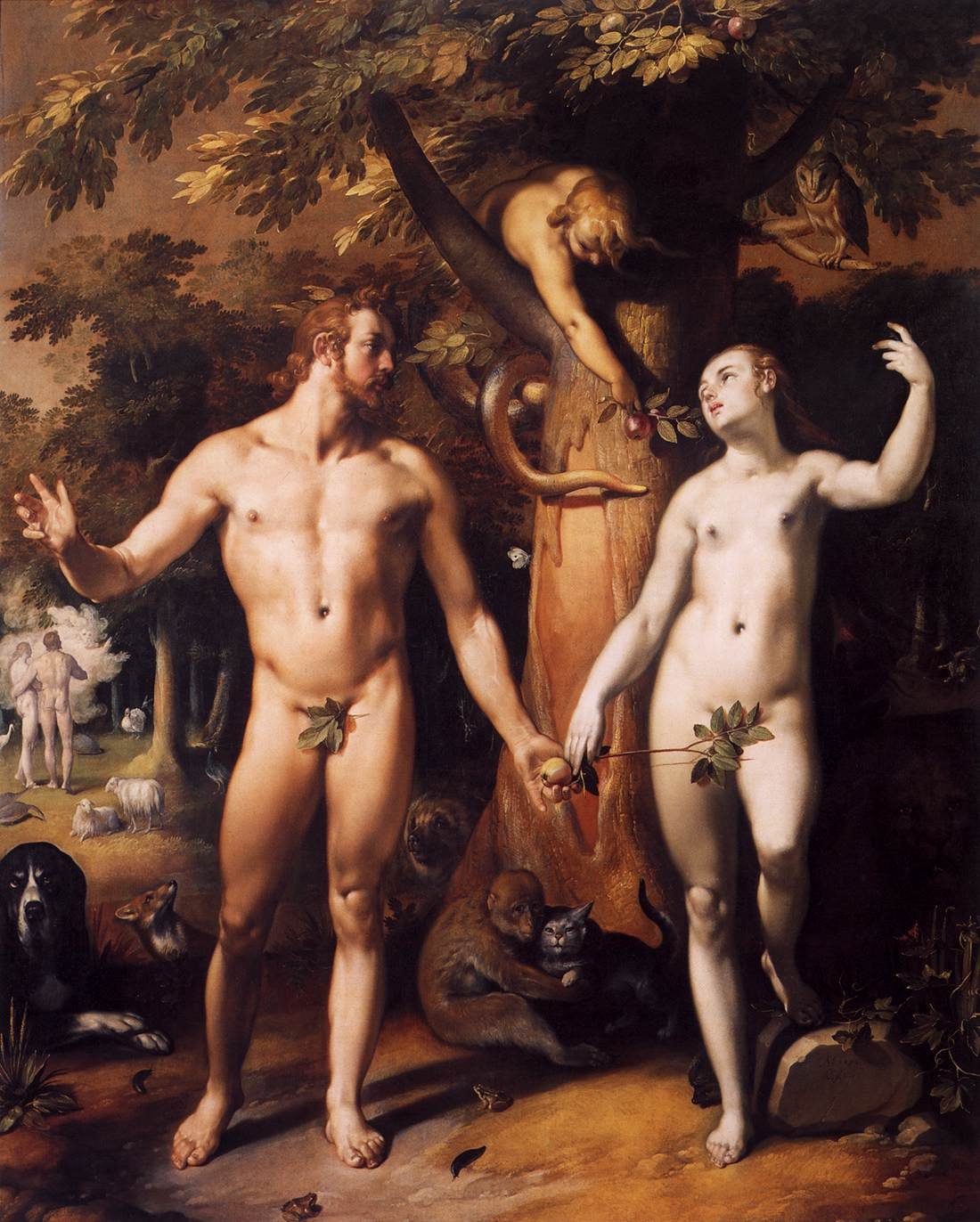
Systematic Theology
vs. Narrative Theology
Systematic Theology (a Western/Greek Approach):
These systems require a set of postulates and presuppositions that must be taken together, as a whole, on faith, to work. They teach “what the Bible says” rather than letting it speak. They cannot literally believe the Bible literally; instead, they impose a system on top of it, often depending on a “gap of ignorance” between leaders at the top and the dependent followers at the bottom, recycling doctrinal entropy.
(e.g., Charismatic, Pentecostal, Calvinist, Catholic, Progressive, etc.).
Narrative Theology (a Mystic/Semitic Approach): Starts with the Scriptures as they are, not the assumed arguments of 2,000 years. It goes Ad Fontes (to the source), honoring the author’s design, the audience’s context, and interdisciplinary research as a means of truth-finding. It takes Scriptures literally as ancient literature and a spiritual diagnostic guide, rather than forcing the Bible to be different (sometimes called biblicism).
“The Bible is the manger in which Christ is laid. We do not worship the manger, but we go to it to find the Life.”
— Martin Luther
Scripture should be as dynamic and multifaceted as the human experience itself: in Truth and Spirit. Narrative Theology is a scientific approach that doesn’t reduce faith to static propositions and accurately frames it as an objective invitation for subjective individuals to wrestle with profound, deep human truths. It begins when any Human engages with Scripture.

- The Present-Tense Human:
Every one of us is a subjective holon—an individual part of a larger whole. We are both objective and subjective conscious beings in a big world. There is Truth, but ultimately, every individual is responsible for what they believe. Narrative Theology challenges us to decide for ourselves what to believe and how to live out those truths.
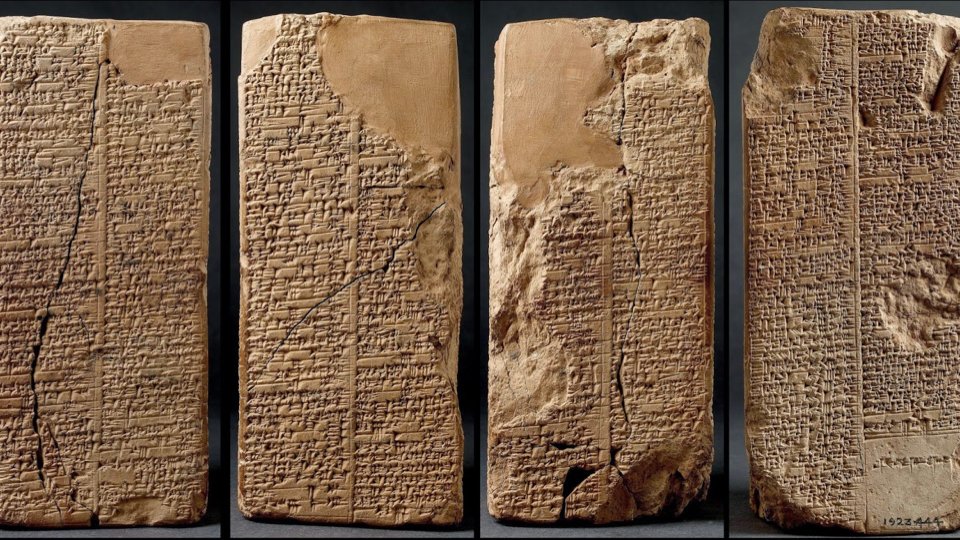
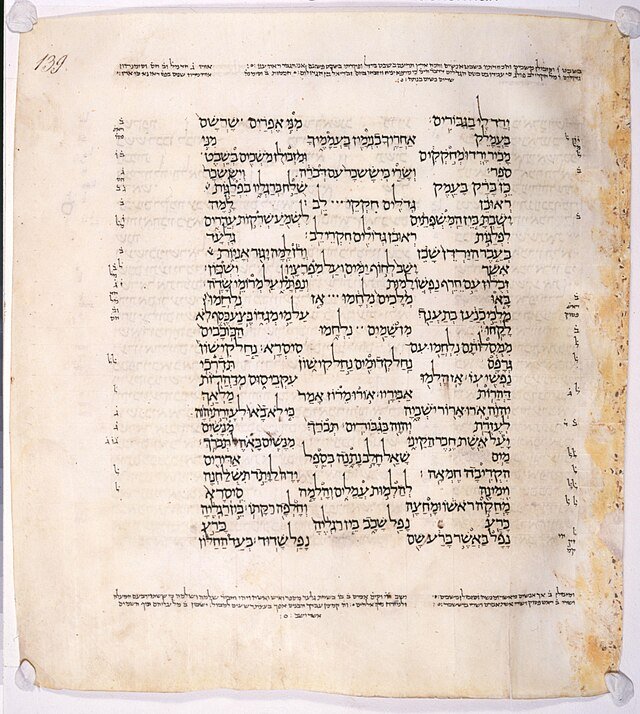
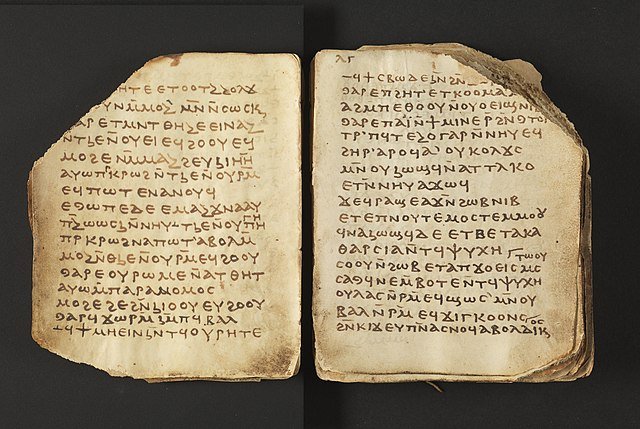
A Short Scriptural Survey
“The Word is living, being, spirit, all verdant greening, all creativity. This Word flashes out of the Father as the high sun sheds its light.”
— Hildegard von Bingen
Context means recovering the invisible scaffolding of history—the geopolitical, linguistic, and ritual dynamics of the underside of history. Through interdisciplinary research and original language study, we avoid hallucinating meaning and find the specific claims the Text was intending to make.
Story is the architecture of revelation, where genre and language function as spiritual formation that teaches you how to hear. Misreading the form leads to a fundamental misreading of the theology. Original terms like chesed and ekklesia name a reality different than our modern assumptions.
Intent is the strategic theological movement found in the text, acting as a disruptive intervention into the lives of real communities. These scripts are not passive descriptions of doctrine but intentional strategies designed to shape imagination and train us to think with the Text.
Encounter is the moment of exposure where the Text begins to “read us,” leading the heart into a “second naïveté” of engaged surrender. It is a disruption that disturbs our categories and names our false gods, inviting us to enter the drama and be remade.
Inhabiting the Drama
Narrative Theology 101
Narrative Theology is the recognition that the Bible is a “system” and history of God remedying the human condition and loving His Creation. The Bible is a world to be felt and inhabited. It surrenders to Truth and Spirit, so the Word of God may speak to us from it.
Scripture is not confused with the Word of God, but it invites us to hear it now. Scripture is found in its internal narrative, logic, and psychological exposure. We don’t translate the Bible into our terms; it exposes us. As we read the story, it begins to read us, and we find ourselves in it. And that’s how it begins.
“The New Testament is the record of those who had found the door to the Kingdom open and had walked in.”
— Dallas Willard
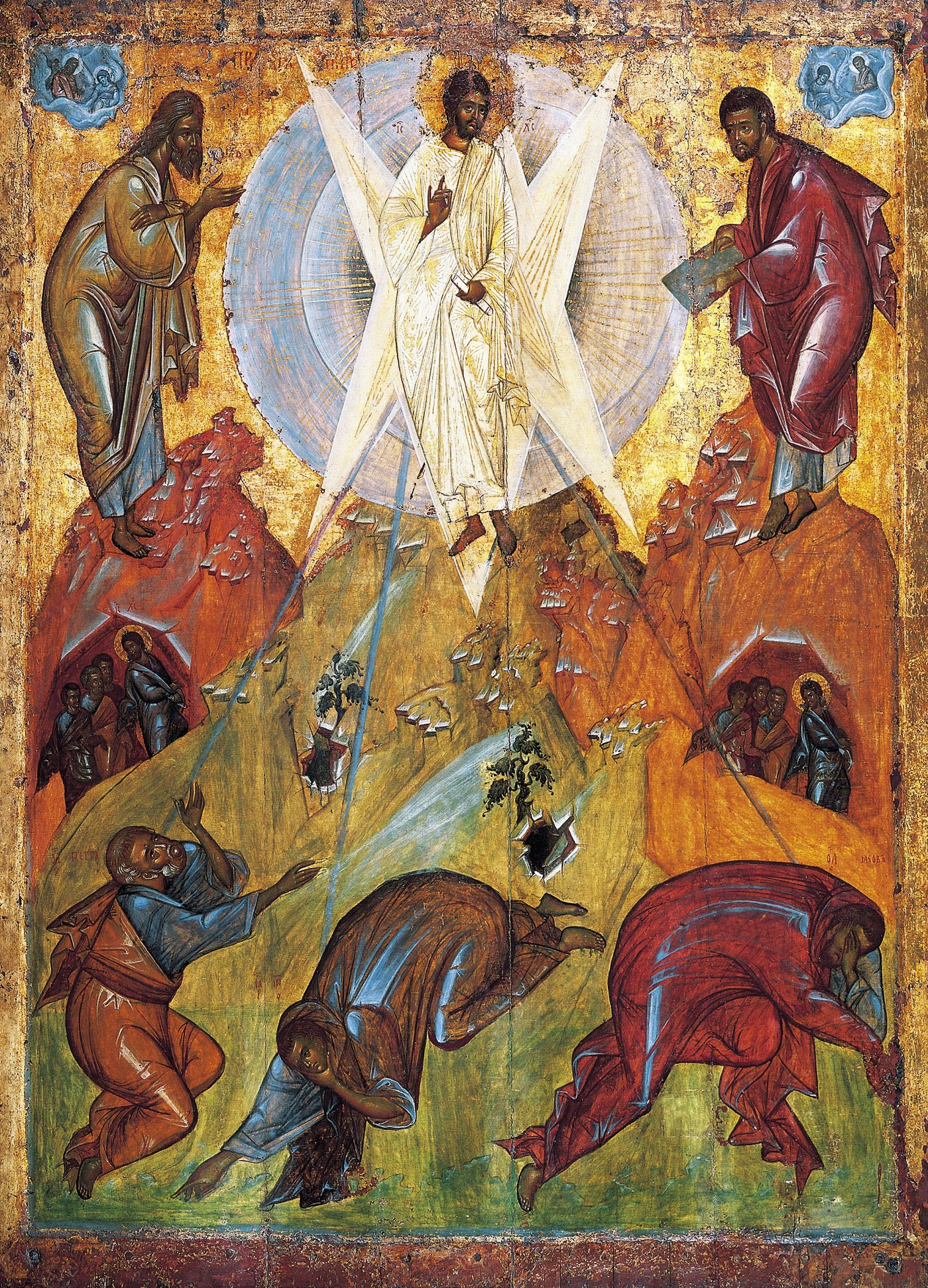
History is seen by the Mystic:
Narrative Theology is not a modern invention; it is a return to the Mystic/Semitic roots that the Western “System” either buried or forgot. From Origen and Pseudo-Dionysius to the original biblical authors, the primary “technology” for truth was story and relationship because both transcend language and time. While objective reality exists, the subjective person must wrestle with it in their own context and moment of existence.
Further Readings:
- Meister Eckhart (Selected Writings): Narrative is the process of the Word being born in the soul. Eckhart taught, “The Father speaks the Word into the soul, and when the son is born, every soul becomes Mary.”
- Dallas Willard (The Divine Conspiracy): A foundational resource for reframing the Kingdom of God biblically. Willard moves the reader from “sin management” to an actual, interactive life with God.
- N.T. Wright (The Day The Revolution Began): Wright argues that authority is not a book of rules sitting on a shelf, but the power of a Story to move a people to live differently in a broken world. His work helps us see ourselves as characters in the “fifth act” of a play started in Genesis.
- Richard Rohr (The Universal Christ): A modern mystic who teaches the “Christ-mindset.” His work focuses on shifting from dualistic, systematic thinking to a contemplative, narrative participation in reality.
Narrative theology insists we do not just give intellectual assent to truth; we must become the lessons we learn. We are not spectators watching a play; we are characters invited to enter the drama of redemption, to be disrupted, and to be remade. We are becoming Homo Participans—the participating humans—and the Story is our guide for awakening and becoming fully alive.