Christian mysticism is not an escape into the ethereal; it is a collision with Reality that becomes dancing. For centuries, Western theology has often traded ontological transformation for propositional rule-keeping. To move beyond that, we need a shared vocabulary that bridges the ancient text and the modern psyche.
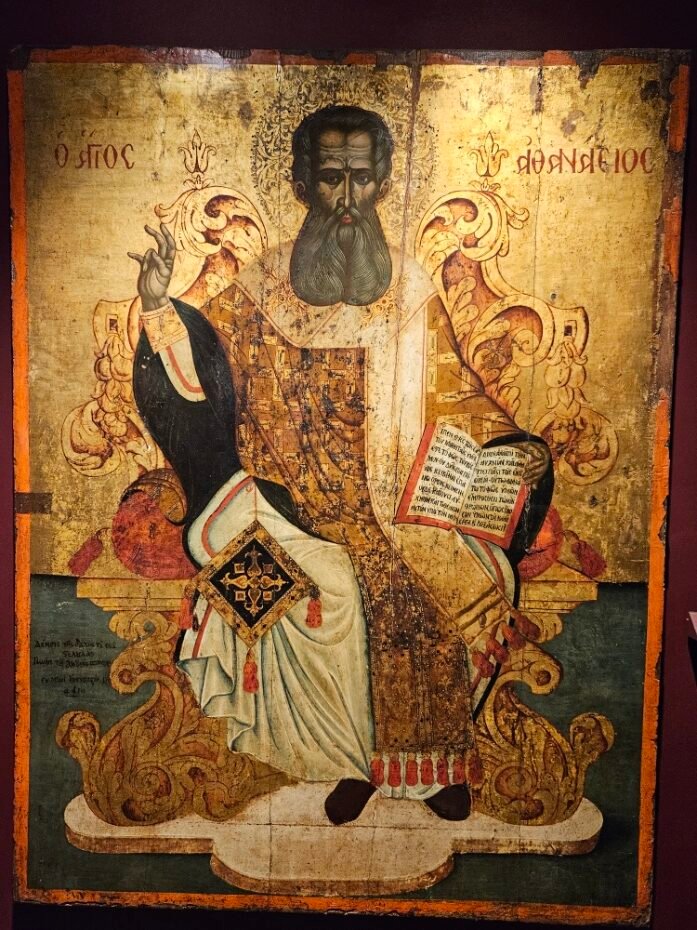
“The Son of God became man so that we might become god.”
— Athanasius, c. 370 AD
FUNCTIONAL DEFINITIONS:
The terms below are at best suggested beginning points, not dogmatic boundary markers or institutional tests of loyalty. They’re a working, interdisciplinary framework drawing from first-century exegesis, psychology, anthropology, and philosophy. Accurate coordinates are useful when dismantling false selves, exiting echo chambers, and participating in daily spiritual transformation.
Core Theology:
- God: The ultimate Mystery that precedes, permeates, and transcends reality. Not a tidy American caricature or a doctrinal vending machine, but a presence—personal and impersonal, intimate and beyond comprehension—that grounds existence and invites relationship. (This entry treats God panentheistically: all-in-God, God-in-all.)
- Faith: A practical, moment-to-moment fidelity—what you do when belief fails to feel safe. Not mere intellectual assent but the repeated, embodied choice to trust a better narrative and act into it (the Serenity Prayer as practice, not slogan).
- Sin: A lived distortion: the patterns, choices, and narratives that dehumanize, strengthen the ego’s false claims, and separate us from truth, love, and flourishing. Less a legal category and more a sickness of orientation that calls for repentance and repair.
- Love (Agape): The unconditional regard for the well-being of all beings, including yourself. Not a feeling or forced emotion, but a truthful orientation that demands you see things as they are. Agape is the standard by which all other practices are judged and the engine of moral transformation. It is the only way to fully see something in its full potential.
- Heaven: Not merely a future locale but the experiential reality of God’s presence breaking into the present—a restored ordering of love, truth, and flourishing accessible now to those who live into it.
- Hell: The self-wrought state of sustained separation: the psychology and sociology of suffering produced by rejection of truth, love, and communal reality. Consequence is not a cosmic torture chamber.
- Ineffability: The neurological and experiential limit we hit when language fails to carry the fullness of encounter. Ineffability is not an excuse for dogma but a lived humility about the limits of human description.
- Holy Spirit: The inner, disclosive presence that convicts, comforts, and integrates—what Socrates called his guiding voice and what the church names Spirit. The work is in learning how to hear and surrender to it. Its fruit is psychological integration and moral transformation; neuroscientific work on integration and right-hemisphere attunement helps explain how this experience shows up.
Mechanics of Re-Union:
- Atonement: The holistic restoration of relationship, from Earth to Heaven, through Hell, and across the fractured human condition. Not about appeasing a distant God, but addressing the turmoil and disconnection within the human to become rightly related to Reality.
- Metanoia: “Repentance” is a turn of the whole person: cognitive, moral, and imaginal. More than regret or remorse, metanoia rewrites the grammar of desire such that one’s life reorients toward truth. It is the operative pivot in sanctification, and it cannot be faked.
- Sanctification / Individuation: The same ontological process. It is the slow burn of becoming holy by becoming whole. It is the integration of the hidden parts of the self (Shadow) into the light of the Self (Imago Dei). This is God making a home in your wounds, your habits, and your honesty.
- Ego-Death: The discipline of “dying to self” is the gradual dismantling of the ego’s throne: shedding defensive identities, idols, false narratives, and sinful attachments (i.e., “addictions“) so vulnerability, empathy, and integrity can emerge. It’s cruciform work—loss that yields a truer life.
- Kenosis (self-emptying): The deliberate dismantling of egoic control so something larger can inhabit the person. Not self-loathing or ascetic stunt, but a strategic unmaking—an interior clearing that removes throne claims so the Imago Dei can take residence.
- Theosis (Deification): Becoming “like God” by grace, not grasping. Participation, not possession. The slow recognition that the union is our home address.
- Apocalypse: From the Greek apokálypsis, meaning “unveiling”. Not destruction, but revelation. It is the end of pretending—seeing ourselves for what we are so that what’s real can finally be seen.
- The Son of Man: The “Son of Mankind”. It is the ultimate expression of the Christ archetype—the collective organism of humanity designed to rule and reign creation as a single, reunited entity. It is not a prophecy or an exclusive title of divinity, but a functional reality all humans wrestle with: a call to conscious participation in divine reality through ego death and the reconciliation of all things.
- Mystic Awakening: Synonymous with salvation and enlightenment. The sacred shift from separation to union, from grasping to resting. This awakening plunges you deeper into life, walking through with new eyes. It’s like waking up.
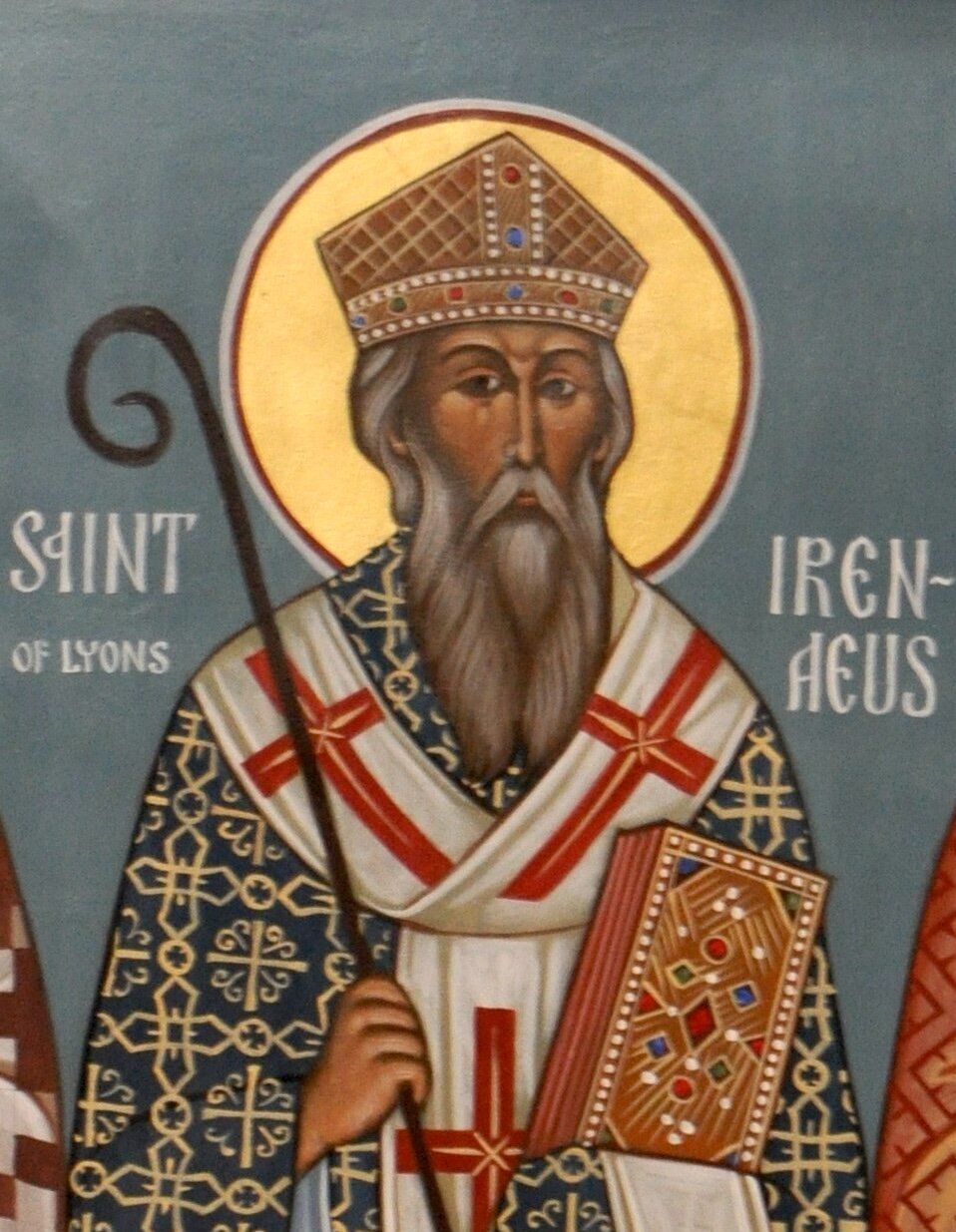
“The glory of God is a human being fully alive”
— Irenaeus, c. 150 AD
The Science of Interpretation
- Word of God: The living truth, where Reality collides with being. The Word is what speaks when we finally listen.
- Scripture: A living record and a Spirit-haunted library, not a flat rulebook or a “script” for Empire. It is the ancestral record of God engaging with humanity, meant to reveal, disrupt, and invite us into the “New Creation” rather than enforce institutional certainty.
- Exegesis: The sacred, scholarly, and rigorous science of interpreting Scripture in light of language, history, culture, and context.
- Biblicism: A view that predefines Scripture as a rulebook instead of revelation, flattening its context to enforce personal or tribal certainty and control. It turns the Bible into an idol that obstructs a real encounter with God.
- Narrative Theology: A historical and scientific way of doing theology that starts with Scripture as it is, instead of a system that predefines it. Faith isn’t a checklist of beliefs but a drama we inhabit. What we have faith in, we become.
An Anthropological Engine
- Subjective Conscious Holon (our Inner World): Our sovereign locus of awareness; a “holon” is a part that is also a whole. The Inner World is where we negotiate inherited narratives and begin the process of ego-surrender. It is the individual locus of consciousness that is both a sovereign “whole” and a “part” of the collective body of humanity.
- Triangulation: Girard’s geometry of rivalry: A imitates B for C. It is the social math behind envy and cliques. Naming the triangle is how it starts to unbend.
- Mimesis / Mimetic Desire: René Girard’s insight that human desire is not original but imitative. We learn what to want by watching models, which inevitably breeds rivalry, envy, and violence.
- Scapegoat Mechanism: The reflex to offload inner tension onto someone (or some part of ourselves) to regain a fake sense of order. The Cross is the ultimate exposure and undoing of this mechanism.
- Devil: The Devil is that which is inside us, that thing we blame the Devil on. The devil is in the mirror more than anywhere else.