Table of Contents Show
“The Lord’s Prayer is the summary of the whole gospel.”
— Tertullian
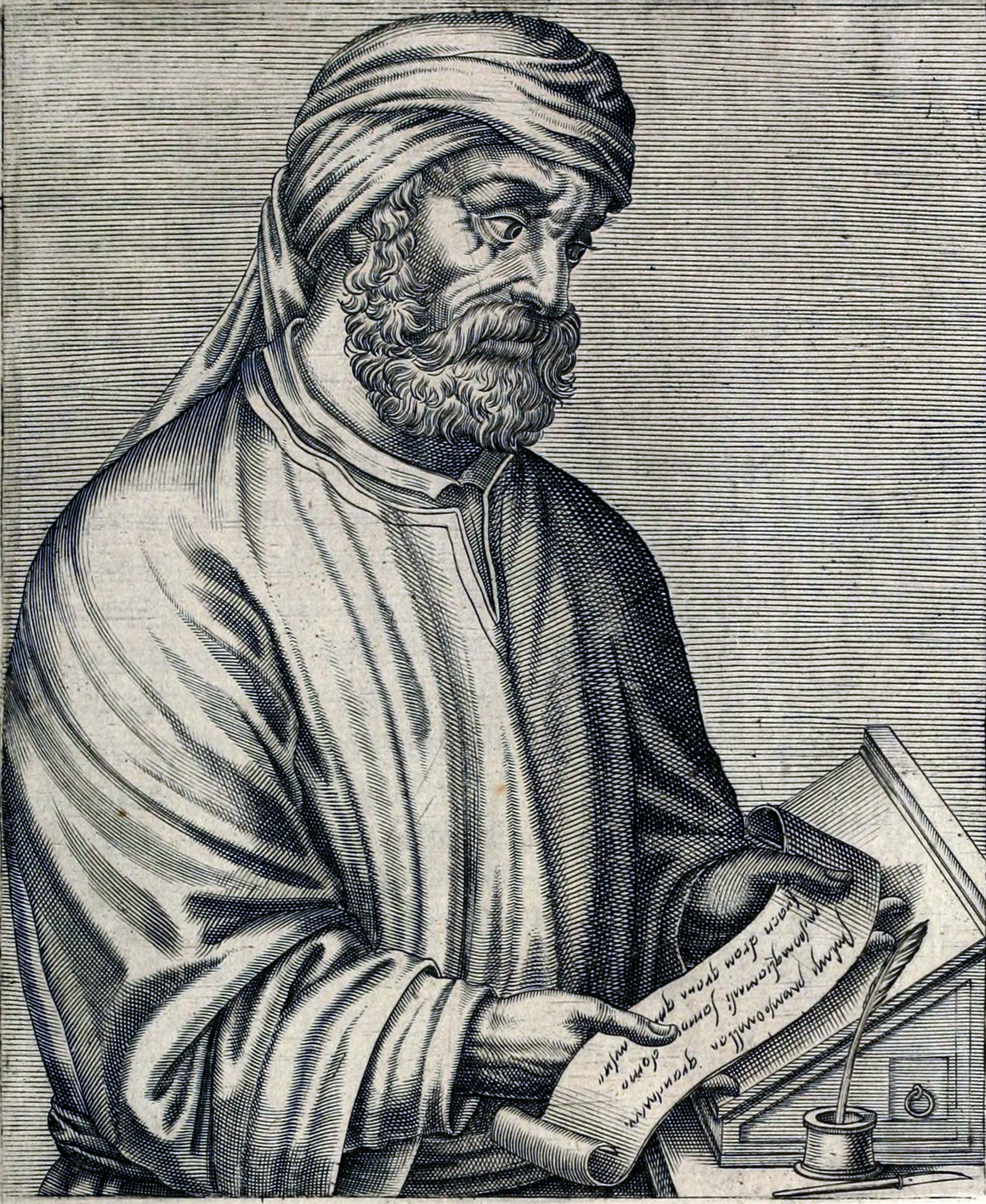
*It’s a longer one.
Before the Lord’s Prayer existed, there were other models of prayer 1. Prayer was a common topic for Israelites in the first century, and there were quite elaborate customs and teachings on it. In Jesus’ time, there was no singular Jewish faith but multiple factions. The main ones included Pharisees, Sadducees, Zealots, Herodians, and Essenes. However, these blended and had variations within themselves. What the Essenes looked like around Jericho could look dramatically different just 45 miles away in Joppa.
So, when Jesus teaches people how to pray, he’s teaching a group of people who already had centuries of teachings and plenty of reason to think they already knew how. And probably to people who disagreed with each other. Thus, the question lies in what was different about Jesus’ teaching that all of them could understand.
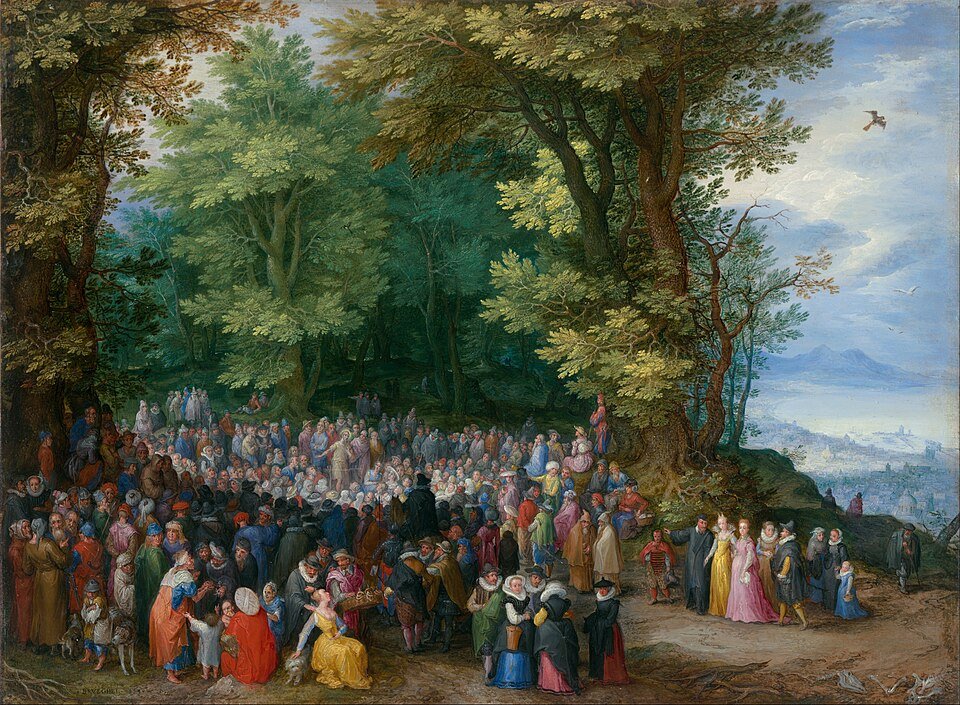
The Sermon on the Mount is Jesus’ longest teaching and contains many of the essentials of His Gospel reality. In it, he does not upend the Old Testament teachings, but points past them to what they were already pointing at. And, in some sense of “telos” (ending design/functional purpose), shifts the standard to their present-tense moment 2000 years ago. This sermon would become the pillar of what He meant by the Kingdom of God, his favorite topic to teach about, through the rest of Matthew.
Jesus has already laid out many truths about the Kingdom of God. In Matthew 6, Jesus turns his attention to that act of prayer. As with everything, how we approach and relate to prayer matters more than what we pray for.
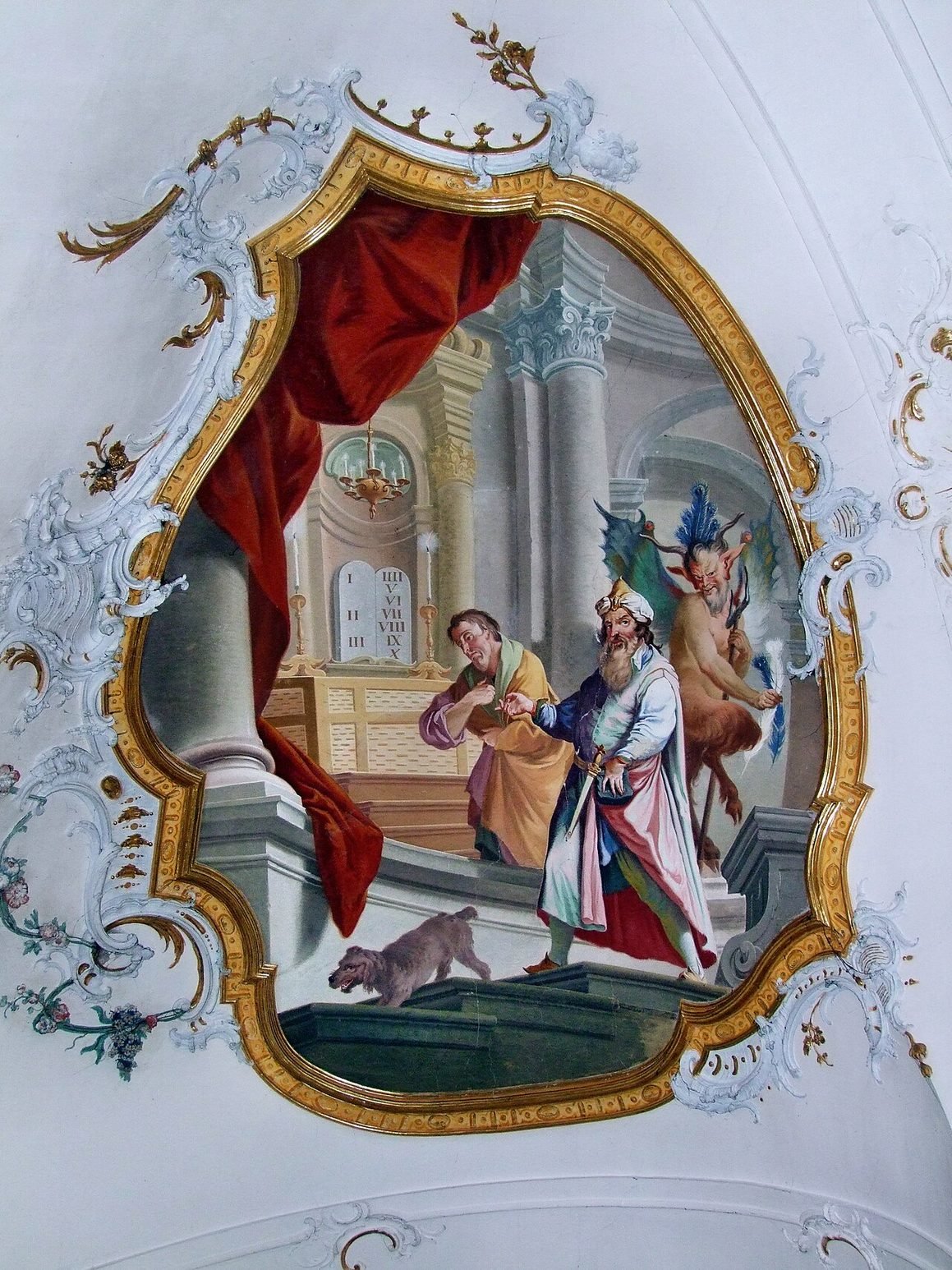
When Jesus does teach about prayer, He first sets up performative prayer as a counterexample of what prayer is not. Just as Gideon used the priestly ephod to lead a nation into idolatry, prayer can be approached and used wrongly.
Performative Prayer vs. Secret Devotion
“And when you pray, do not be like the hypocrites, for they love to pray standing in the synagogues and on the street corners to be seen by others. Truly I tell you, they have received their reward in full.
v. 5
Hypocrite was more than a slur. It was also a common Roman profession everyone knew about: actors. Hypocrites were people who performed in plays, often wore masks, gained popularity, and probably paid a pretty penny.
Within a day’s journey from almost anywhere, ancient people could attend plays at theaters in the next big town over. There were smaller ones in smaller towns. For example, archaeologists believe they have found a small theater at Karahan Tepe, a sister site of Göbekli Tepe, from over 10,000 years ago (source: https://karahantepe.net/karahan-tepe-amphitheatre).
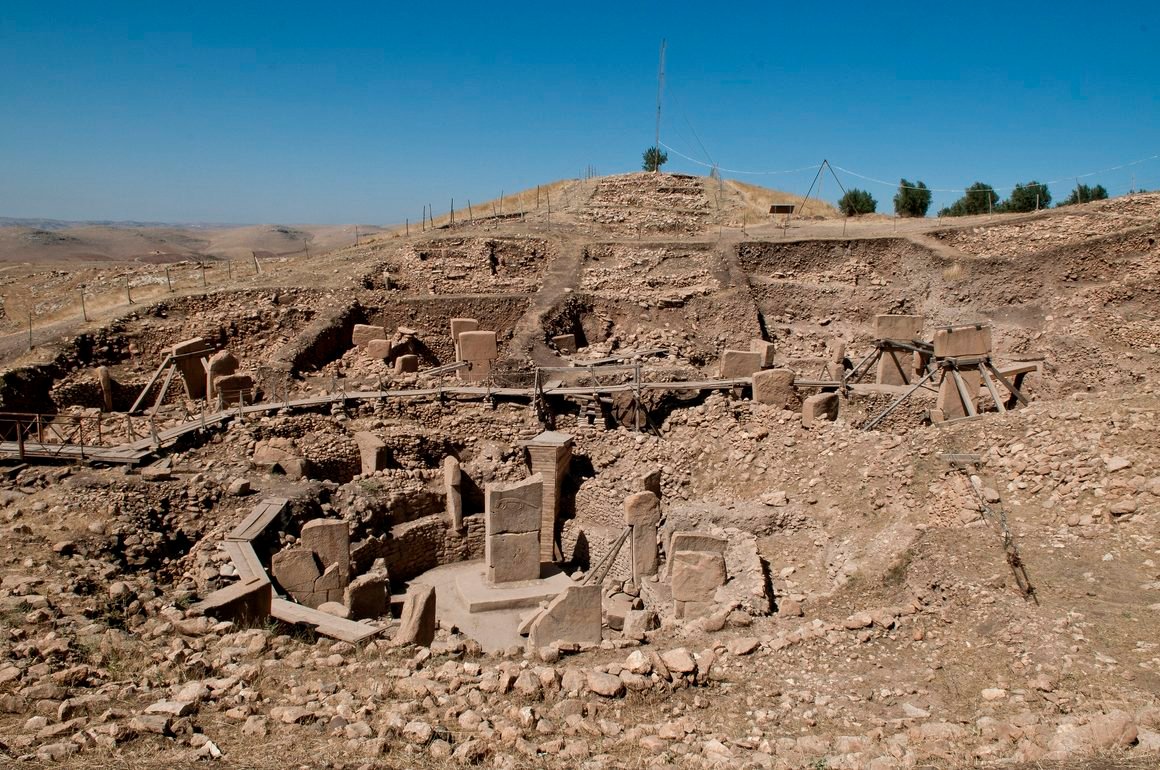
Human communal gathering and performative space are extraordinarily ancient. Storytelling, performing arts, and masked drama emerged thousands of years before ancient purpose-built theaters, like the 1st-century theater at nearby Sepphoris, just 4 miles from Nazareth. The first century was not all that different from ours.
For a Jewish audience, Jesus’ choice of hypocrites would have had teeth. By associating performative prayer with pagan play, Jesus drew a clear line in the sand. The reward for such prayer is found only in the game of performance and status, and it bears the same warning of fame, greed, and control that many Jews condemned in Gentiles. The wages of sin are death, no matter how the turd is polished or boxed. If people want to keep up an act, the act is all the reward they will receive.
My greatest relief has often come when I could finally take off a mask and break the performance I was convinced I had to keep going. I’ve been in AA rooms long enough to know this isn’t an isolated truth, nor far from what Jesus meant by the blind seeing, the lame walking, and the slaves being set free (Luke 7:22; Matthew 11:4-6). If a bunch of drunks can do it, anyone can.
In contrast, Jesus said:
“But when you pray, go into your room, close the door and pray to your Father, who is unseen. Then your Father, who sees what is done in secret, will reward you.”
v. 6
How God rewards in private, in the secret of our own being, was explored in God Reveals Mysteries in the Secret Place. While this obviously speaks about praying in private and away from others, the implication is that this is where God meets us, rather than on the stage, in group hype, or performative compliance. And it still is true. Our private practices are what ground us and set the foundation for how we carry ourselves in the world. Deuteronomy 6:4-9 also instructs us to remember God and love Him as we rise and lie down, as we come in and go out from our private places.
“And when you pray, do not keep on babbling like pagans, for they think they will be heard because of their many words. Do not be like them, for your Father knows what you need before you ask him.”
v. 7-8
As an equal-opportunity offender, Jesus also points to the same issue within pagan religions, and perhaps a callback to the prophets of Baal on Mount Carmel.
Babbling, like Pharisaical prayer, was performative and could run on in mindless scripts. Battalogeō, the Greek word for babbling, only appears here in the New Testament. In classical Greek, it was used in two primary ways: to mock a physical speech impediment or to ridicule someone who talked endlessly. Talking non-stop makes it incredibly difficult for a seeker to hear and listen when God does provide an answer.
“Their many words” clarifies that the issue is not merely stammering, but wordiness and gratuitous garrulity—the belief that the sheer length or volume of speech carried spiritual power. It’s like repeating someone’s name over and over again in different variations (“Oh, Lord, Loving Father, Holy God….“). Try it on someone and see how long they put up with you. Multiplying words will not produce the divine response we’re hoping for.
One way I catch myself doing something similar is praying over and over for the same thing, thinking that if I get the words just right, God will give me what I want. At some point, the silence should be an answer enough to move on to something else worthy of attention.
The Trap of Transactional Religion
“Prayer does not change God, but it changes him who prays.”
— Søren Kierkegaard
Greco-Roman religion could be highly transactional. Prayer, sacrifice, vows, and offerings were often embedded in reciprocal relationships between humans and the gods: do X, offer Y, receive Z.
Religion and the Pax Deorum (“Peace of the Gods“) existed within the Pax Romana (“Peace of Rome“) and were essential elements of Roman civilization and economy. Prayers were seen as legalistic negotiations with unpredictable, distant, or indifferent deities. Roman virtue and keeping the gods happy were everyday propaganda, with Caesar center-stage. The gods were not seen as loving fathers but as powers that needed to be persuaded, appeased, or coerced. And most of them were awful parents.
Mystery cults would often teach formulaic and precise wording for prayers, like a magic formula 2. Ancient polytheists worried that if they called a deity by the wrong name or title, the prayer would fail or offend the god. Consequently, pagan prayers involved long lists of every conceivable divine title and epithet to cover all their bases.
Prayer’s effectiveness depended on formulas and exact vocalization, and maybe budget, to gain a god’s favor. In Jesus’ form of prayer, faith produces both persistence and passion through surrendering and forgiving.
So, Jesus’ warm-up speech before He taught his first-century audience how to pray was: Don’t play games with the Divine. God is not interested in theatrics. He wants real, ongoing relationship (Micah 6:8). Jesus rejects prayer as a technology for manipulating divine power. The prayer of an honestly dirty sinner will always bear more fruit than a pretentious saint.
More Chiasms:
Before jumping into the Lord’s Prayer, the prayer is a whole, cohesive teaching. Jesus offers a lesson; its parts are meant to be taken together and build on each other to a point.
The Lord’s Prayer itself has a chiastic structure, which helps stitch the petitions together. Chiasms are a literary device that provides structure through either mirroring or repeating details and themes. They’re sort of like structured flashbacks in movies. My favorite is found in James 3:9-12. Chiasms can illuminate the meaning of ancient writings, not just the Scriptures. However, the Bible is saturated with them: chiasms within chiasms.
In fact, the Sermon on the Mount can be read as chiastic. Ulrich Luz, a Swiss New Testament theologian, outlined the structure of the entire Sermon on the Mount (Matthew 5–7), placing the Lord’s Prayer (Matthew 6:7–15) at the exact structural core/anchor of Jesus’ discourse.
Kenneth E. Bailey, in Jesus Through Middle Eastern Eyes, argues that Matthew 6:9–13 is arranged as a 7-petition chiasm centered on daily bread:
- A. Invocation & First Petition: Our Father… Hallowed be your name (God’s name)
- B. Second Petition: Your kingdom come (God’s rule)
- C. Third Petition: Your will be done on earth as in heaven (God’s will)
- X. Center Hinge: Give us today our daily bread (Sustenance / Life)
- C’. Fourth Petition: Forgive us our debts as we forgive (Relational will/reconciliation)
- C. Third Petition: Your will be done on earth as in heaven (God’s will)
- B’. Fifth Petition: Lead us not into trial/temptation (Kingdom testing)
- B. Second Petition: Your kingdom come (God’s rule)
- A’. Sixth Petition: Deliver us from the evil one (Protection of God’s children)
In this case, the mirroring points inform each other: We hallow Father’s name through temptation and trial while resisting the evil one. The only petition concerning material sustenance made to God is for daily sustenance, right in the center of God’s good providence.
“Saying ‘our father’ isn’t just the boldness, the sheer cheek, of walking into the presence of the living and almighty God and saying ‘Hi, Dad.’ It is the boldness, the sheer total risk, of saying quietly ‘Please may I, too, be considered an apprentice son.’ It means signing on for the Kingdom of God.”
— N.T. Wright
Reimagining the Relational Posture
“This, then, is how you should pray:
v. 9
‘Our Father in heaven,
hallowed be your name,
Perhaps the first breathtaking aspect of Jesus’ teaching on prayer was to call God “our Father,” not simply Lord, the Almighty, or God. He also did not teach us to pray “my Father” but “our Father.” Intimacy with God is always communal. “Our Father in heaven” immediately asks for heaven’s reality to become operative “on earth.” Heaven is never an escape route. It is the Pattern.
This was much more than an idea to understand, debate, or argue for; it’s a relational posture, something that must be experienced and lived. Its telos is love and union with God. In John, Jesus makes it explicitly clear that the union he had with God was the same union he wanted for us to have as well.
Emperors and Caesars loved being called Daddy and had special titles for that purpose 3. The apostle Paul will tell both Jews and Gentiles that they share the same Dad (Galatians 4:6).
Jesus’ teachings always reflected that God’s nature is more loving and good than what we often experience. God’s love is compassionate, understanding, all-knowing, all-seeing, and all-powerful. It knows neither depth nor width. For those terrified of love, it’s a thing to behold for the first time and keep coming back to.
Jewish reverence for the name of YHWH stood in sharp contrast to the polytheistic religious world around them. Jews taught that Kiddush Hashem, honoring the Name, was a sacred posture every person was to have. In contrast to the babbling of all of the names of God, they avoided saying any name of God, especially in an impure and unholy state. Many today place their hand on their head when they speak “Adonai” or “El Shaddai“, and bow their head, as an act of keeping God’s name Holy.

Only once a year would God’s name be uttered by the High Priest within earshot of the people. Only if you were lucky would you have been able to hear whatever that was back then—it’s been lost to time, and today scholars can only debate how YHWH may have been pronounced.
The exact name does not matter. In the Lord’s Prayer, there is no name given except “Father.” In Exodus, God refused to provide a name to Moses and simply stated that He just is what He is (something we’re also instructed to be). God has no name and thus can go by many. In the course of human history and cultures, we have used many names for the Divine, and Scripture is saturated with many. What matters is what the names mean to the person and how the person actually relates to God.
To hallow something is to respect its weight, significance, and uniqueness. In the context of Scripture, it’s a reminder not to build towers to our own names and egos, but to keep God as God of the reality we live in. Only His name is holy. Humans are like grass. And learning to live in God’s holiness, whether we eat or drink, is where godliness and character are developed as we learn to walk according to Jesus’ Gospel.
Jesus’s model of prayer starts by aligning us with God’s glory, not our own. Rome was built on honor and glory, and humans love such things. Prayer first gives awareness and weight to the Divine from our creaturely postures. Humanity has a tendency to compete for glory, recognition, and power. This one line sets the foundation of reality in a personal relationship with the Divine so that we no longer build Towers of Babel.
“your kingdom come,
v. 10
your will be done,
on earth as it is in heaven.“
Rather than human, tribal, or nationalist rule, Jesus invites us to consider God’s Kingdom to presently rule in our lives, here and now. Instead of putting off Heaven until after death, dare to make it a reality today. Rather than merely complying or capitulating to either social norms or self-justifying prayers, the invitation is to invite God’s will to be done now, “on earth as it is in heaven.” Prayer is not seeking to get our will, but rather looking for God’s will in what is already unfolding before us, and joining in it.
After being recommended it several times, I’ve started reading Emmet Fox’s The Sermon on the Mount. His observations perfectly capture this element of the Lord’s Prayer.
“In recent years, the Lord’s Prayer has often been rewritten in the affirmative form. In this style, for instance, the clause ‘Thy kingdom come, thy will be done,’ becomes, ‘Thy kingdom is come, thy will is being done.’ All such paraphrases are interesting and suggestive, but their importance is not vital. The affirmative form of prayer should be used for all healing work, but it is only one form of prayer. Jesus used the invocatory form very often, though not always, and the frequent use of this form is essential to the growth of the soul. It is not to be confused with supplicatory prayer, in which the subject begs and whines to God as a slave pleading with his master. That is always wrong. The highest of all forms of prayer is true contemplation, in which the thought and the thinker become one. This is the Unity of the mystic, but it is rarely experienced in the earlier stages. Pray in whatever way you find easiest; for the easiest way is the best.”
— Emmet Fox
In some sense, it is seekers of Heaven who pull it down to earth, one prayer at a time. God meets those who are broken, changes those hungry for it, and heals those ready for it. Then, in their walking, they carry a more whole image of God into the world, a light that shines a little brighter. Life and love have more room to flourish when sinners dare to embody sainthood through no other means but grace, courage, and humility.
Dallas Willard always says it better than I can:
“So when Jesus directs us to pray, ‘Thy kingdom come,’ he does not mean that we should pray for it to come into existence. Rather, we pray for it to take over at all points in the personal, social, and political order where it is now excluded: ‘On earth as it is in heaven.’ With this prayer we are invoking it, as in faith we are acting it, into the real world of our daily existence.”
— The Divine Conspiracy
To pray this is to surrender our idea of how the world and life should work back to where they belong: God. When prayed as Jesus taught, this prayer brings the Kingdom of God “in your midst” (Luke 17:21). Slowly, over time, it can move mountains.
Again, if a bunch of drunks use it and see miracles, anyone can.
Daily Bread & Dependency
“Give us today our daily bread.“
v. 11
When Jesus used the words “daily bread” and “today,” ancient Jews would have immediately remembered manna during the 40 years in the desert after Egypt. Maybe not so much Romans. And that’s part of Jesus’ point.
“Daily bread” was an engine for Rome and every civilization. Egypt was Rome’s main supplier of grain, which it desperately needed to fuel its armies and keep its citizens fed and satiated. On the other side of the Eurasian continent, the Chinese empires were fueled by rice. Ensuring there was enough grain to avoid catastrophe and riots was a very real agenda item for every emperor, and one ignored with devastating consequences.
Grain was deeply embedded in the religious and political imagination of most ancient societies. Ceres was an incredibly important god of grain and harvest to the Romans, while Egypt had Neper and Nepit as a couple. Mayans had the corn god Hun Hunahpu. Keeping these gods happy was important for the harvest and feeding growing cities. Civilization was fueled by agriculture, and so keeping the machine turning meant keeping people reliant on and loyal to the government.
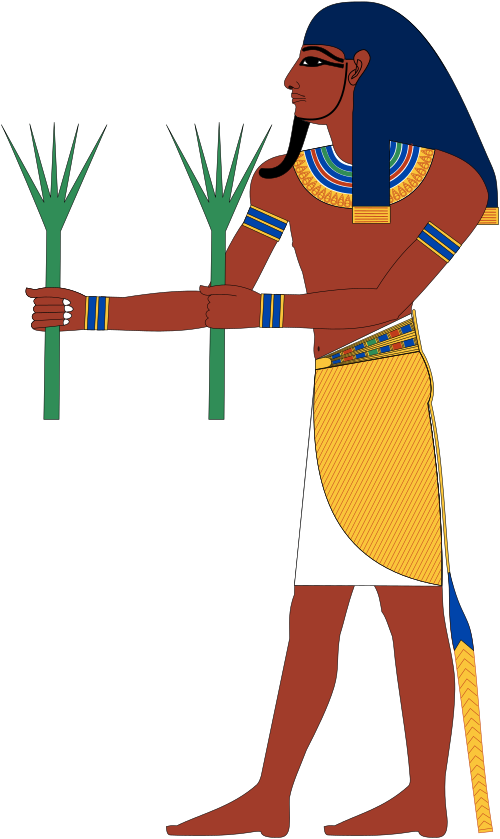
With the spread of Hellenism, people no longer had to be dependent on their own means of food production, so they could do something else. Production, wealth, and economies were now as much gods as the grain that fed the people. Restaurants and agoras where people fed their families were popping up on every corner 4.
Instead, Jesus taught to be radically dependent and trust in God’s daily provision, not in warehouses and bank accounts (cf. Luke 12:16-21).
Enough For Just Today
The word Jesus uses for “daily” here is ἐπιούσιος (epiousios)—a term that appears nowhere in ancient Greek literature before the Gospels. It bridges two meanings: epi-ousia (“necessary for essential existence”) and hē epiousa (“for the coming day”). Prayer is not for stockpiled wealth or future insurance, but for the exact bread needed to sustain life right now, in this present moment. It demands that we let go of anxiety and breathe in reality.
When a sinner finally learns to say, “This is enough. I finally trust,” the veil tears a little and the shroud thins—not from the Divine’s eyes, but from our own. We cannot deal with anything well until we accept it as it is. God waits for us in reality: in our breath, in our next thought, under each step we take, and as the canvas our dreams dance on. When assumptions, attachments, delusions, excuses, narratives, and pride release their grip, the Spirit can move in.
This is why Jesus pronounced blessings on the poor in spirit, those who mourn, the peacemakers, and those who hunger for righteousness in the Beatitudes (Matthew 5). They are the ones stripped of pretense, standing unbuffered in reality, and ready.
“One day at a time” was an AA lesson that took time for me to understand. Before, I ran life backwards. Through simple moments of confession, brave honesty, and the tenacity to hold on, I have seen God move in people’s lives more in and out of the rooms of AA than in Sunday morning services. God has used AA so much to break through and bring healing, one tiny little lesson at a time, one day at a time. I lived for cheap, instant dopamine and gratification before, and its wages were death.
Moses reminds Israel that man does not live on bread alone, but on “every word that comes from the mouth of the Lord” (Deuteronomy 8:3). In John 4, Jesus taught His apostles that there was another kind of food that sustained Him: doing the will of the Father and accomplishing His work (John 4:32, 34). When we can be less obsessed with our own comforts and cravings, we can be of more use in God’s Kingdom and partake in its harvest.
“Perfection of character: to live your last day, every day, without frenzy, or sloth, or pretense.”
— Marcus Aurelius
A Note About Fasting
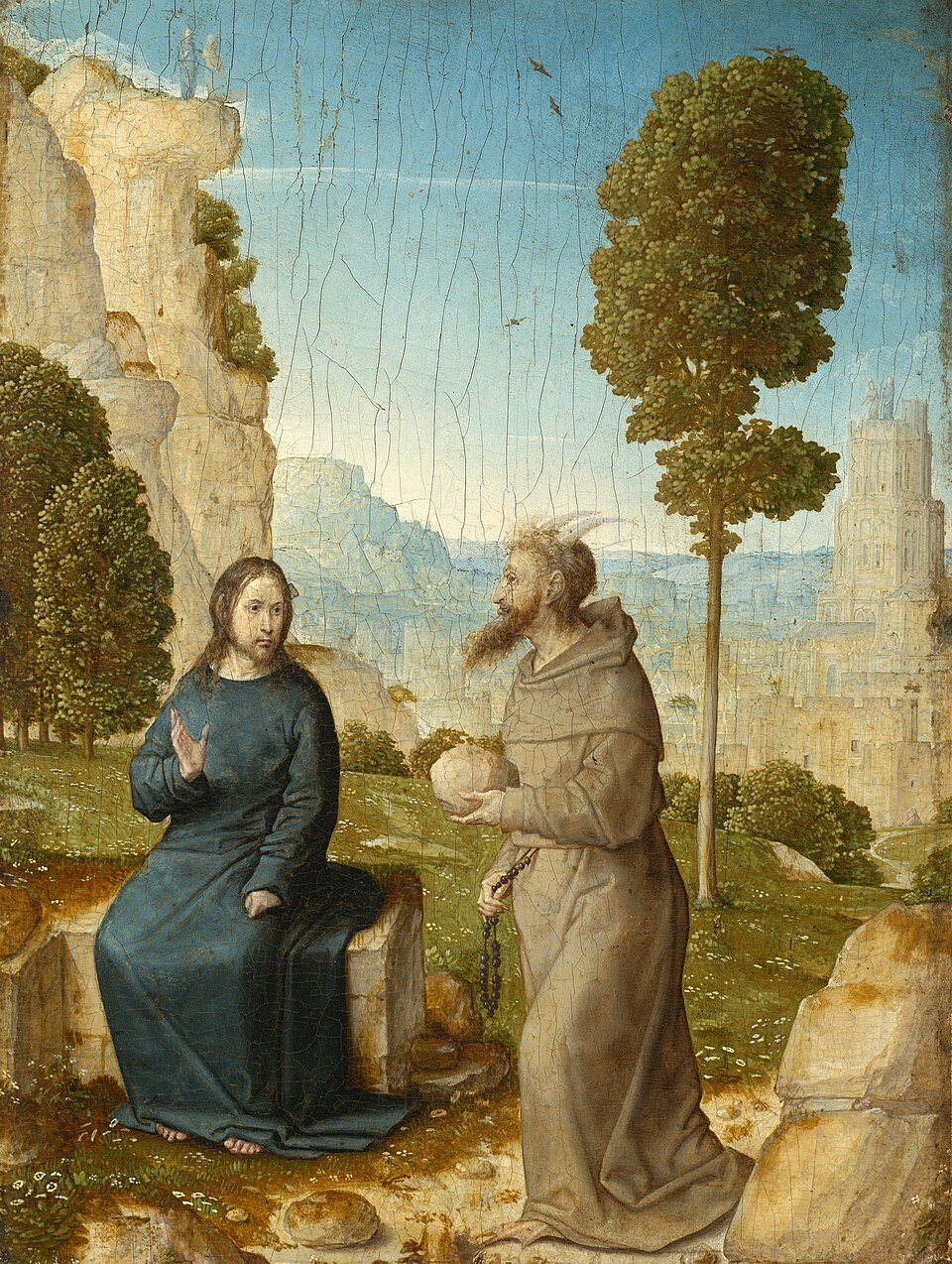
Just two chapters before, after His baptism, Jesus spent 40 days fasting and being tempted in the wilderness, and then came the Sermon on the Mount (Matthew 4:1).
In times with overstuffed fridges, DoorDash, and screens stitched to our hands, fasting can be a discipline difficult to practice without being intentional about it, while also giving us plenty to practice it with. Just as Israel had to trust God for daily bread in the desert to learn to hear His voice, and just as Jesus spent 40 days in the wilderness fasting and being tempted, so too does learning not to live on bread alone matter. Fasting brings us back into the wilderness so we can learn to hear again.
By the way, Jesus was tempted (cf. Hebrews 4:15), meaning He felt it, thoughts crossed His mind, and He didn’t act on them. His temptations while fasting in the desert record three trials; they were trying enough that angels came and ministered to Jesus afterwards. At the end of the Gospel, Jesus did not “want” to be tortured and die young on a cross. He prayed for something different, and still accepted what was given Him to do. Jesus endured “for the joy set before him” (Hebrews 12:2). Faith is often simply telling ourselves “No” so we can do something we were unwilling to do before.
Notice when the prayer only turns toward us after God’s name, God’s Kingdom, and God’s will. Only then do we say, “Give us.” Jesus doesn’t erase human need; He places it inside a rightly ordered relationship with God.
In Western society, we are padded with comfort and convenience, and our pain points are all marketed to by massive and niche industries. We lose our minds if something on the other side of the world happens or if a former friend on Facebook posts something against our party.
Fasting was a practice used across spiritual traditions to help deepen a personal connection with the Divine by breaking ingrained dependencies and stress-testing the seeker to see what comes up. Like a sponge, it squeezes us to see what comes out and makes room for what’s next.
Fasting takes away easy dopamine sources and assumed aspects of existence, breaking patterns so a bigger, clearer picture can surface. It reminds us of our creature-hood and finiteness: that we are mortal and are blessed with life and breath. Our prayers should do the same thing.
“Prayer will never do our work for us; what it will do is to strengthen us for work which must be done.”
— William Barclay
Forgiveness & Deliverance
And forgive us our debts,
v. 12
as we also have forgiven our debtors.
The structure implies that the measure of God’s forgiveness we experience is correlated to the amount of forgiveness we practice 5. In theory, this makes sense: holding on to resentment, performance, and internal accounting makes it extremely difficult to accept free grace. In modern economies and individualistic societies, it feels like a threat. Jesus consistently doubles down on forgiveness, saying we should forgive as much as Lamech cursed anyone who crossed him: 70×7 (Matthew 18:22; cf. Genesis 4:23-24).
Something that AA has pounded into me is that resentments are not luxuries worth holding on to. Unforgiveness and resentment, envy and wrath are sins that lead to death. It creates toxically self-centered people.
At least in theory, it’s easy to accept forgiveness. The real test, the real price for entering God’s Kingdom, often comes down to the disciple’s willingness to forgive another’s sins. When our hands and hearts are clenched, that is when we struggle to receive grace and walk in blessing.
The importance of this part of the prayer’s model is such that Jesus’ first comment after the prayer is done is to come back to forgiveness and make this even clearer.
And lead us not into temptation
v. 13
but deliver us from the evil one.
James will clearly teach that temptation does not come from the Lord. There is always an element of prayer in that we sacrifice ourselves to it; we try to become more than what we pray. It’s for this reason that James also points out why his fellow brothers were not experiencing answers to prayer: they were praying wrong.
God doesn’t lead us into temptation. But we must follow Him if we want the Kingdom. We can pray for less temptation, for God to remove our problems, but we still must actually let go of them to make room for Him to show us something else. Faith, as in trust, is neither just logical nor an emotional expression — it’s an embodied relationship we hold. It’s in those moments of temptation where we can express faith.
The word translated as “deliver” is ῥῦσαι (rhysai). The imagery of rhyomai is urgent: “to snatch away,” “to draw out from danger,” or “to drag to oneself.” It’s like physically snatching someone out of a burning building or pulling a lamb from the jaws of a predator (1 Peter 5:8).
There’s some debate about how to translate “evil one.” Greek had two primary words for evil:
- κακός (kakos): Intrinsic, static badness or moral worthlessness, as in bad character or defect.
- πονηρός (ponēros): Active, malignant, and destructive evil. Rooted in πόνος (labor, pain, or distress), ponēros is evil that inflicts hardship, spreads corruption, and actively seeks to harm others. Resentment and addiction, two sides of the same coin, are one such evil.
Since ponēros is not just a static bad character but an active, malignant, spreading corruption (much like resentment, systemic debt, or addiction), it makes perfect sense that the deliverance required—rhysai—must be an urgent, forceful snatching from danger.
Yet, the actual grammar leaves the exact translation of ponēros fluid. It could be:
- Masculine Substantive (Proper Noun): “the evil one,” referring to Satan.
- Neuter Substantive (Abstract): “evil,” referring to evil in general.
Early Greek Church Fathers, like Chrysostom and Origen, strongly preferred the masculine reading. Furthermore, Matthew frequently uses ὁ πονηρός (ho ponēros) as a title for Satan (e.g., Matthew 13:19, “the evil one comes and snatches away what was sown“).
Whether Matthew intends “evil” or “the evil one,” the prayer ultimately asks for deliverance from a power that seeks to deform human life. That power is not merely external; it finds points of access within us.
The truth is the only evil we need to fear is that which lives inside us. When Jesus confronted Peter, he called him Satan. There’s a strong message there, in that what Peter was doing was something that Jesus had already been tempted by. Peter was offering him the same kingdom-shortcut temptation faced in the wilderness. Peter’s temptation was real, visceral, and dangerously familiar to Jesus. Satan is often God’s tool for sifting (Luke 22:31-34). It’s worth remembering when temptation smacks us in the face.
The symmetry becomes especially interesting when we look back through the prayer: God’s will and our forgiveness mirror each other, while the prayer’s center is not mystical experience or doctrinal certainty but bread: ordinary dependence.
“The line dividing good and evil cuts through the heart of every human being,” Aleksandr Solzhenitsyn said. The only Devil that can mess with us is the part of us vulnerable to it. Satan hides behind our mirrors and in between our thoughts. If we conquer that, we have nothing to fear. The Gospel gives the means for such deliverance, as does this prayer.
For if you forgive other people when they sin against you, your heavenly Father will also forgive you. But if you do not forgive others their sins, your Father will not forgive your sins.
v. 14-15
As a closing reminder that how we pray matters more than what we pray, Jesus is clear about the expense of such a prayer: it’s free, except you just have to forgive everyone for everything. His formulation is almost mathematical, as if to drive home the point that forgiveness works more in this direction than the assumed direction of Penal Substitutionary Atonement: we receive forgiveness as we become people who forgive.
It is possible to live this way and not be a doormat. Jesus did it and changed the world. Forgiveness is not a ledger, but that is how unforgiveness works. Marcus Aurelius’s insight that the best revenge is not being like them is the same as Paul’s returning good for evil. We can love our enemies by holding love and empathy for them, and thus refusing to see them as “enemies.” We can forgive others, own our own defects and sins, confess one to another, and so experience the Gospel in our daily lives:
This is the message we have heard from him and proclaim to you, that God is light, and in him is no darkness at all. If we say we have fellowship with him while we walk in darkness, we lie and do not practice the truth. But if we walk in the light, as he is in the light, we have fellowship with one another, and the blood of Jesus his Son cleanses us from all sin. If we say we have no sin, we deceive ourselves, and the truth is not in us. If we confess our sins, he is faithful and just to forgive us our sins and to cleanse us from all unrighteousness. If we say we have not sinned, we make him a liar, and his word is not in us.
— 1 John 1:5-10
The only question is whether we will follow.
In closing, the doxology, often at the end of the Lord’s Prayer, was added on:
“To you be the kingdom,
and the power, and the glory,
amen.”
It was added between the second and fifth centuries, then became standard 6. Personally, I like it. It reminds me to always keep God’s glory both in perspective and as the direction for all things. And it brings us back to where the prayer starts: “Our Father, hallowed be your name.”
When prayed well, and often, the Lord’s Prayer is an anti-ego technology.
“Prayer is sitting in the silence until it silences us, choosing gratitude until we are grateful, and praising God until we ourselves are an act of praise.”
— Richard Rohr
*Footnotes (& Leftovers)
- First-century Jewish prayer included formalized liturgical routines like the Shema (Deuteronomy 6:4–9) and early iterations of the Standing Prayer (Eighteen Benedictions or Amidah), as well as communal Temple responses such as the Kaddish. Alongside these structured prayers were the intense intercessions of charismatic holy men, like Honi the Circle-Drawer, and the contemplative devotions practiced by Essene communities. ↩︎
- Documents like the Papyri Graecae Magicae show that polytheistic prayers could contain endless chains of vowels, divine names, and epithets to ensure the practitioner hit the exact secret name of the deity. ↩︎
- Caesar was famously awarded the title Pater Patriae (“Father of the Fatherland”) by the Roman Senate in 2 BC, making this prayer an implicit subversion of the imperial cult’s claim to paternal sovereignty. ↩︎
- Pompeii had a remarkable number of places to eat and drink. Archaeologists have identified roughly 90 thermopolia (hot-food counters) and, using a broader classification that includes other bars, taverns, and food-and-drink establishments, around 160 such businesses. Population estimates vary from roughly 11,000–12,000 residents to around 20,000 or more. Even at the higher figure, that puts the city at roughly one food-and-drink establishment for every 125–130 residents. At the lower estimates, the ratio approaches one for every 75 residents. ↩︎
- In Matthew, the Greek word used is opheilēmata, literally meaning financial “debts.” This mirrors the Aramaic word choba, which means both a monetary debt and a moral transgression, tying personal forgiveness directly to the Levitical Jubilee ethics of debt cancellation. ↩︎
- As early Christians prayed the Lord’s Prayer in public worship, Jewish liturgical custom led them to append a closing hymn of praise modeled on 1 Chronicles 29:11. The earliest written witness appears in the Didache (c. 100 AD) as a shorter phrase: “For yours is the power and the glory forever.” Over the centuries, Eastern liturgies added “the kingdom,” and Byzantine scribes began copying this congregational response into manuscript margins. Eventually, it integrated into the main Greek text, and then was translated into Tyndale’s Bible and the 1611 King James Version, permanently cementing the phrase in Protestant tradition. ↩︎
*Updated: 10/3/2026