Table of Contents Show
“Count the days… we are on the seventh day. John is telling us that with Jesus, God’s new creation has begun. The water turning to wine is the sign that the old world is finished and the new world, the world of the new covenant, of God’s abundant joy, is being born.”
— N.T. Wright
Series Note 👇
This is a part of a series working through the Gospel of John. These posts will be compiled and revised into a complete commentary on the gospel. If you’re just finding this, there’s enough context laid in the previous posts that this one builds on, so it may be worth starting from the beginning here.
The last post on John covered most of chapter 1, which served as John’s introduction, or prologue. At the beginning of Chapter 1, John was already piecing together Jewish and Greco-Roman theological concepts into a tapestry of profound claims that would be expounded and experienced throughout the rest of the Gospel. Chapter 2 is where things begin to slow down, and Jesus’ public ministry begins to stir the waters and bring attention to what He was about.
The Seventh Day of the New Creation
On the third day there was a wedding at Cana in Galilee, and the mother of Jesus was there. Jesus also was invited to the wedding with his disciples. When the wine ran out, the mother of Jesus said to him, “They have no wine.” And Jesus said to her, “Woman, what does this have to do with me? My hour has not yet come.” His mother said to the servants, “Do whatever he tells you.”
— John 2:1-5
This, being three days after the four days already mentioned in chapter 1, is a smooth transition that plays with numbers common to Jews and Greeks. The Old Testament Scriptures employ some play with numbers, especially noteworthy in Genesis 1, where a similar 4+3 pattern is used to weave together the Creation from verse 1:1 through 2:3 (cf. Cassuto). Here, John bridges his sevens from chapter one seamlessly to the first sign, with the first sign starting on the seventh day. He’s just showing off at this point while doubling down on Creation.1
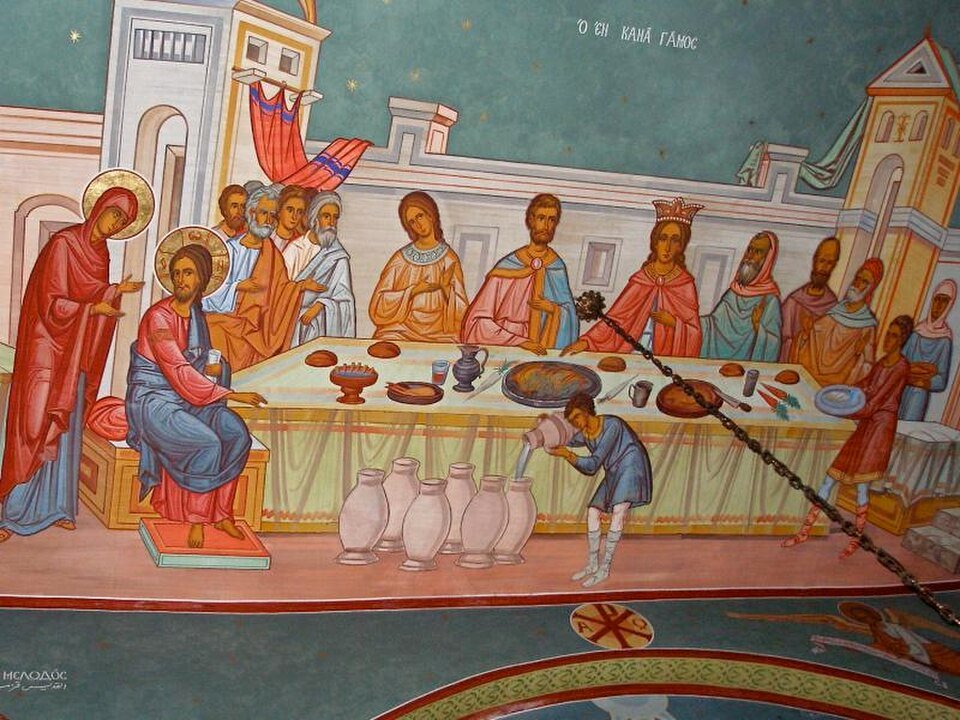
When the wedding wine runs out, John uses a specific Greek construction: hysterēstantos oinou, which literally renders as “the wine having failed” or “having fallen short.” The root verb hysteréō doesn’t just mean a temporary logistical shortage; it carries the heavy systemic weight of bankruptcy, deficiency, and failure (the same root when Paul says all have “fallen short” of the glory of God). In the shame-honor economy of a first-century Galilean village, running out of wine midway through a week-long covenantal celebration wasn’t a minor faux pas—it was a devastating social catastrophe that would saddle the young couple with a deficit of public shame and potential liability with the bride’s family.
So, Mary points this out to Jesus.
Jesus’ response to his mother, “Woman, what does this have to do with me?” is translated literally, “What to me and to you, woman?” (Ti emoi kai soi, gynai). This was a Semitic idiom of distancing and indicating a divergence of agendas (Hebrew: mah-lli walak). It essentially means, “What do we have in common in this matter?” Jesus is drawing a boundary; Jesus’ actions are governed by a divine “hour” (an eschatological timetable), not by worldly familial authority. Addressing her as “Woman” (gynai) was not disrespectful in Greek, but rather formal, also linking her to the broader theological motif of the “Woman” that culminates at the cross (John 19:26) and echoes through the protoevangelium.
Verse four also introduces another literary theme: Jesus’ hour. Jesus will repeatedly refer to a coming hour, both one for Him and one for the World (John 4:21 & 4:23; 5:25 & 5:28; 7:6,8, 30; 8:20, 12:23, 27; 13:1; 16:2, 4, 32; 17:1) These are the spine of the “Hour” (hōra) tracking mechanism in John, tracing it from “not yet come” to “it is here.”
Raymond Brown, N.T. Wright, and other scholars group these moments into seven distinct thematic movements. John is building an explicit narrative arc, transitioning from an abstract future concept to a present reality. I, however, am leaning towards a grouping of eight, which would still fit John’s characteristic style. This will be revisited later, and it also doesn’t change or threaten John’s composition or narrative design.
My hunch is that Mary’s “Do whatever he tells you” is, in part, a subtle command to the audience to listen to her Son, not just the servants of the party 2. This is a great example of characters in John functioning as proxies for the reader.
Now there were six stone water jars there for the Jewish rites of purification, each holding twenty or thirty gallons. Jesus said to the servants, “Fill the jars with water.” And they filled them up to the brim. And he said to them, “Now draw some out and take it to the master of the feast.” So they took it.
— John 2:6-8
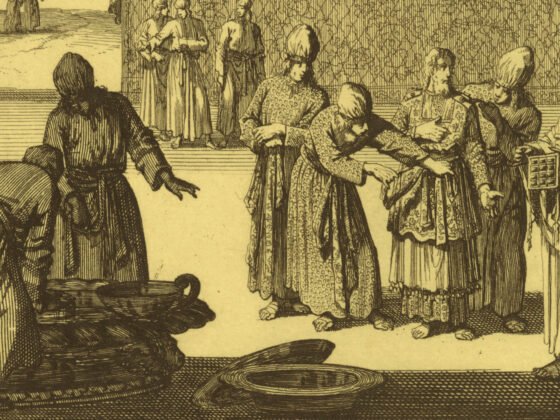
For now, note the number of jars: six. This will matter later. Stone containers were common for Jews as they considered both ritually pure. Because Leviticus specifically names clay, wood, leather, and metal as being purifiable, and completely leaves off stone material, Jewish teachers reasoned that stone is impervious to ritual impurity. Such stone containers are often 20-30 gallons in size, meaning Jesus is working with 120-150 gallons here. The miracle that is about to unfold will result in a lot of good booze.
“The choice of the wedding feast shows us the sheer relevance of Jesus to ordinary human joy. He did not come to take the color out of life; He came to put it in. He did not come to sit like a grim spectator at our tables, but to be the source of our deepest celebration.”
— William Barclay
The Outsider Within: John’s First Swing at a God
John blends both Greco-Roman and Jewish material to challenge and invite both to experience the Gospel. So, a Jewish Rabbi, a Greek philosopher, and a Roman priest would have all been picking up things John was laying down, and that was in part his point. Here, the born-and-raised Greek would instantly conjure images of Dionysus. So, it’s time for a pit stop on the narrative journey to point out some context.
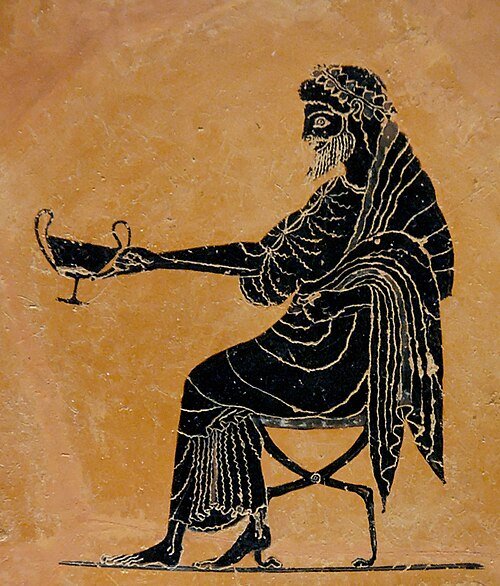
Dionysus was an ancient Mediterranean phenomenon that predates Greece and has correlations to gods in Egypt and India.
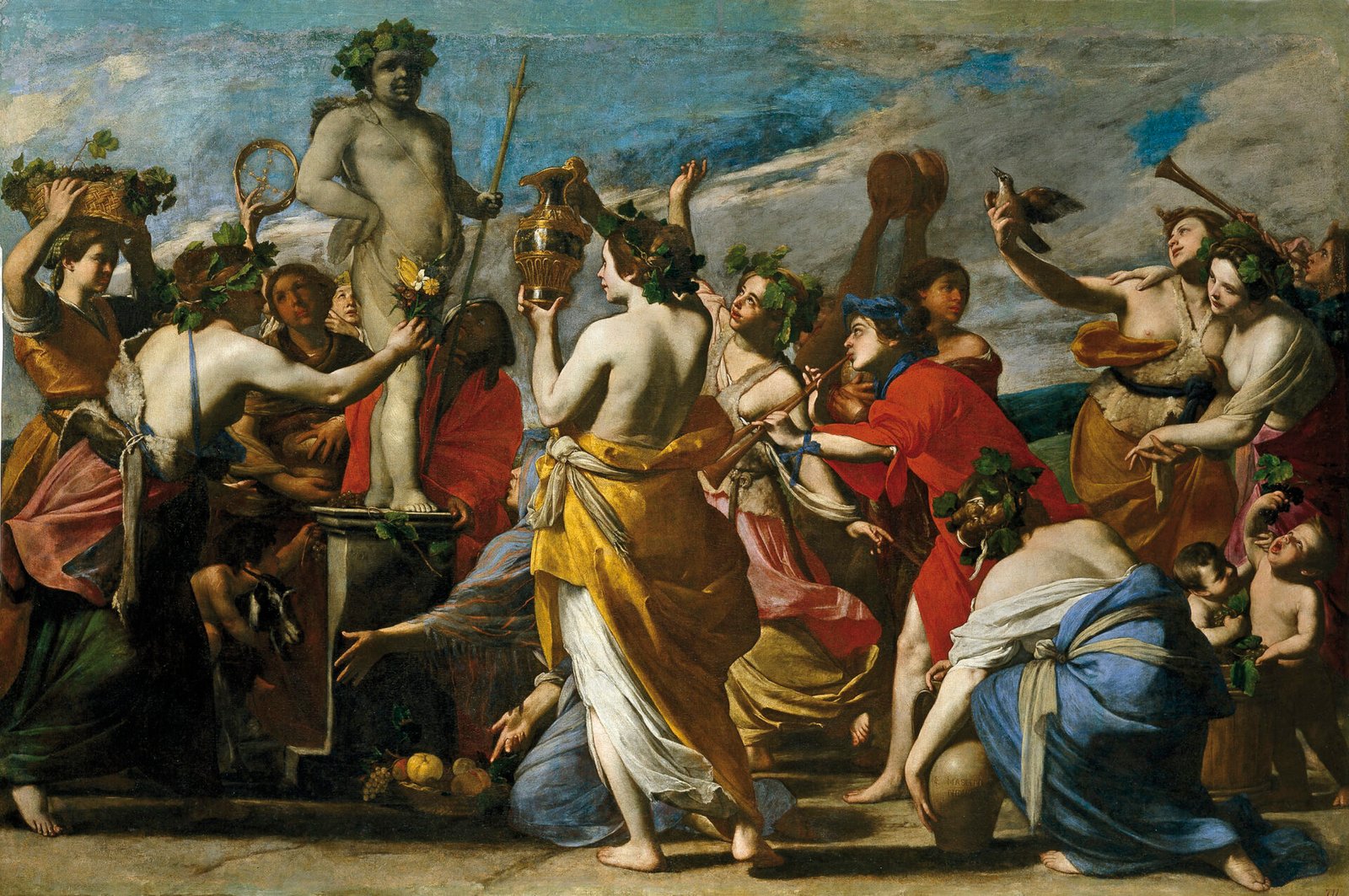
Culturally, Dionysus represents the “outsider within.” He is the god of boundaries breaking down, of religious ecstasy, madness, and the lower classes/slaves. The Dionysian cult was characterized by its female followers. Known as Maenads or Bacchantes, these women were the most prominent and passionate participants, known for leaving their homes to engage in wild, ecstatic rituals in the mountains.
To the elite, patriarchal Greek establishment, the chaotic forces he commanded felt inherently foreign and un-Greek, so their mythology codified him as a traveler from the East. There is a strong historical theory that after the Mycenaean Bronze Age collapsed (around 1200 BC), the worship of Dionysus was aggressively suppressed by civic authorities because his ecstatic cults were politically destabilizing. When his worship finally resurfaced centuries later in classical Greece, it was reintroduced from neighboring Thrace and Asia Minor, making him appear like a brand-new import to the classical Greeks.
Dionysus was a native Greek god who was mythologized as a wandering, rejected foreigner; his story perfectly mirrors the Johannine paradox of Jesus. We see this exact psychological blueprint play out in Euripides’ Bacchae, written around 405 BC for King Archelaus I of Macedonia.
It became a widespread play and just one of many front-facing and surviving works about Dionysus that survive. It tells the story of Dionysus’ arrival in Thebes, and it doesn’t take long to start finding mystical similarities that John would also employ. For example:
In the prologue, Dionysus states, “I am changed, of course: a god made man…” and later, “Elsewhere, everywhere, I have established my sacraments and dances: to make my godhead manifest to man.” This was not at all that surprising language for a Greco-Roman or, really, any ancient deity.
As Dionysus and his followers begin interacting with local and regional leaders, the conversations that ensue are what contain the unique claims about this god’s cult. A main character is Pentheus, whose name means grief, sorrow, or misfortune, who is the young, rigid, and doomed King of Thebes. He becomes the main antagonist opposing Dionysus. In one exchange, Dionysus points to the nature of his relationship with Zeus and why Pentheus wasn’t able to comprehend the truth he was speaking of.
PENTHEUS: “We’ll lock your body up inside, in prison.”
DIONYSUS: “The god will personally set me free, whenever I so choose.”
PENTHEUS: “Where is he then? My eyes don’t see him.”
DIONYSUS: “He’s where I am. You can’t see him, because you don’t believe.”
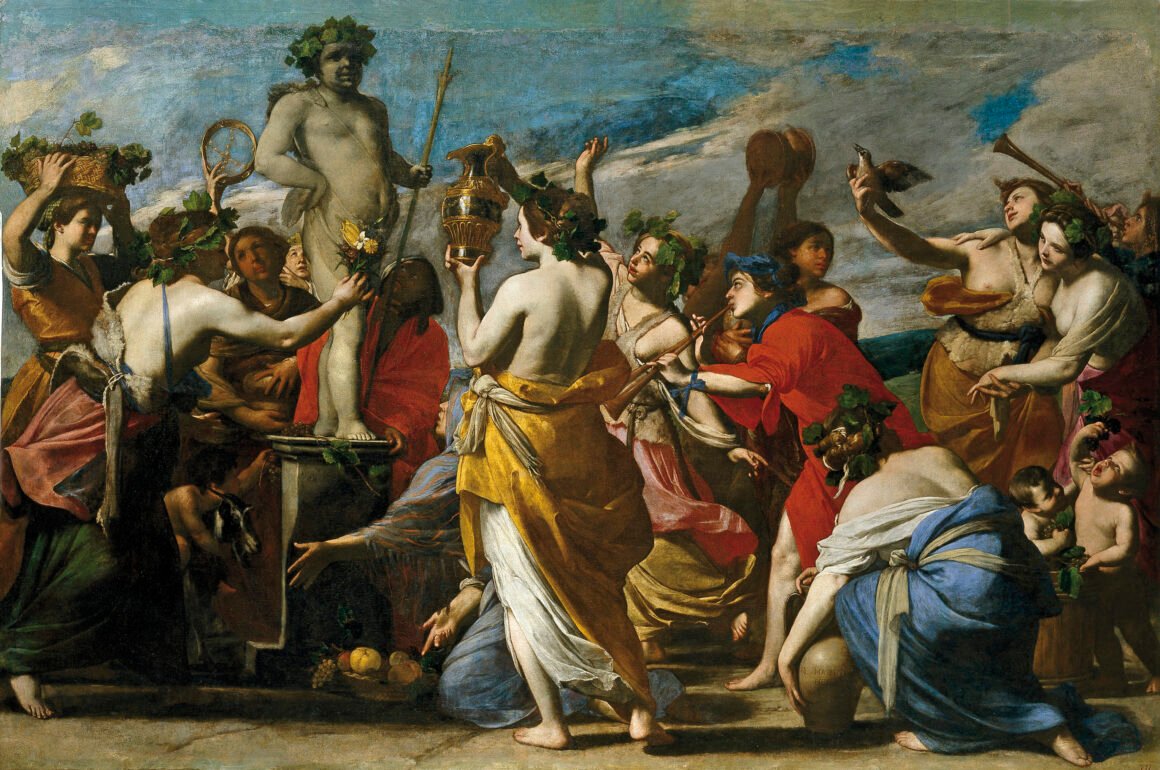
Bultmann, in his Gospel of John commentary, argued that the Cana narrative was a Christianized adaptation of a widespread Dionysian miracle motif. The evangelist took a pagan miracle story and repurposed it to show Jesus as the true bringer of eschatological joy.
I think John would have seen it differently, and “adaptation” is too weak a word. It was something more: Dionysus was at best a partial truth. John was claiming the real deal and not simply spinning old scratch. William Barclay’s commentary says it better:
“..it is as if John said to them: ‘You have your stories and your legends about your gods. They are only stories and you know that they are not really true. But Jesus has come to do what you have always dreamed that your gods could do. He has come to make things you longed for come true.'”
In the cult of Dionysus, ancient festivals at temples in Andros, Teos, and Elis featured springs that miraculously flowed with wine, or empty pitchers left overnight in the temple that were found filled with wine by morning. John is engaging in imitatio or aemulatio (mimicking a cultural trope to surpass it). Jesus is presented as usurping the role of Dionysus. The “initiate” (the reader/disciple) learns that true divine intoxication and mystic union come through the Logos, effectively democratizing the esoteric mystery cult experience.
Pausanias, a 2nd-century Greek traveler, records that during the Thyia festival in Elis, priests would place three empty pots in the temple of Dionysus and seal the doors. The next morning, the seals were unbroken, but the pots were miraculously filled to the brim with wine.
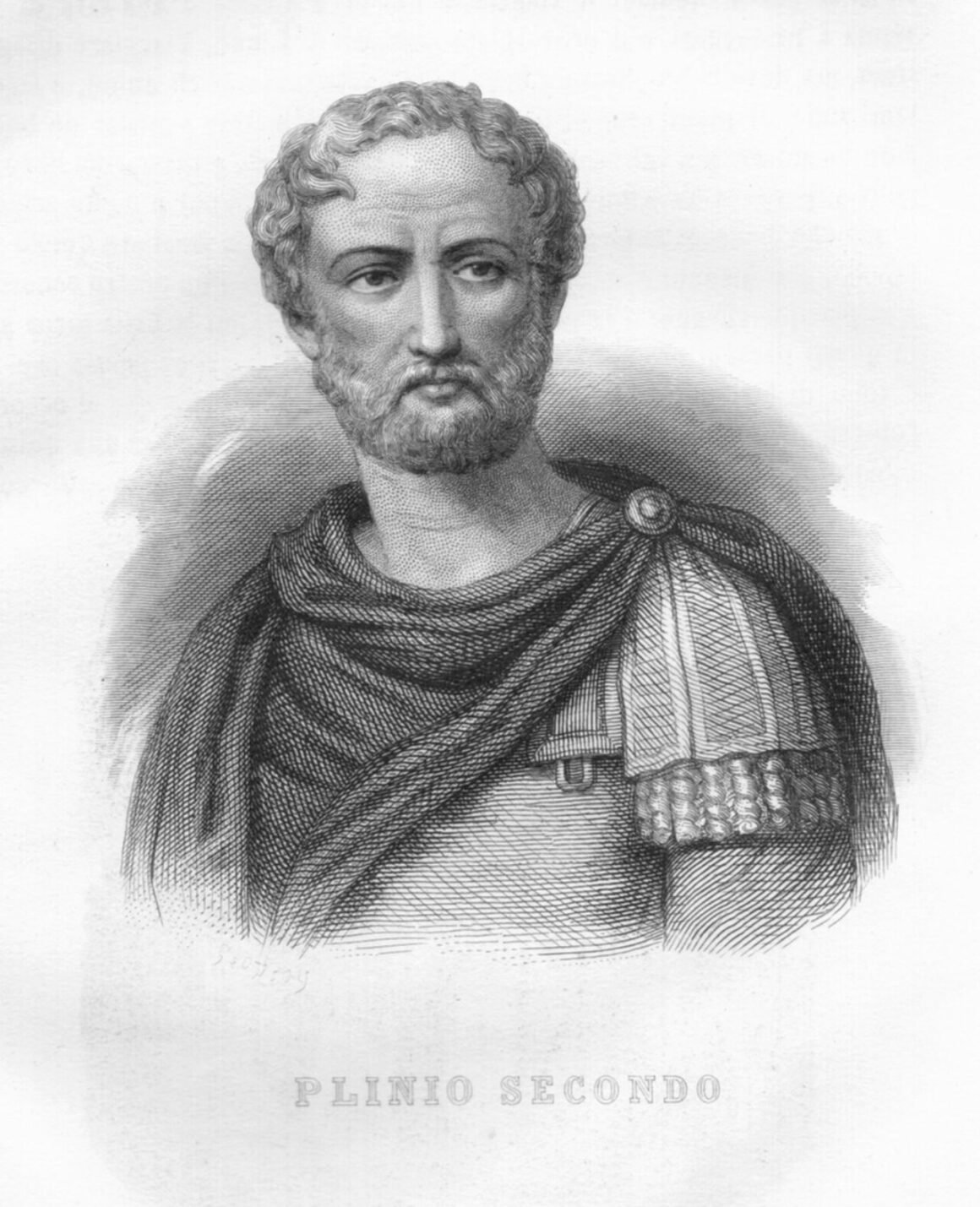
Pliny the Elder and Pausanias record that at the temple of Dionysus on the island of Andros, during his festival (the Theodosia, held around January 5-6), a spring would miraculously flow with wine instead of water. If taken outside the sanctuary, the wine reverted to water. Early Christian tradition placed the Cana miracle and the Epiphany on January 6th, suggesting an overlap, or usurpation, of the Dionysian festival calendar.
According to Pseudo-Hyginus in Astronomica, when Dionysus and his retinue, including Hephaestus and the Satyrs, went to war against the Giants, they rode into battle on donkeys. Black-figure and red-figure vases from Attica, the area around Athens, from the 6th–5th century BC, Dionysus is frequently depicted riding a donkey or mule in a triumphal procession (the pompe), often holding a kantharos (wine cup). His older tutor, Silenus, is almost exclusively depicted riding a donkey. True to John’s fashion, he’ll leave this out while leaning in even more, just from a different angle.
First-century Jews would have obviously picked on Old Testament themes of wine, purity, marriage, and betrothal between God and His people, which John 1 also sets up.
The Chemistry of Kalon Oinon
When the master of the feast tasted the water now become wine, and did not know where it came from (though the servants who had drawn the water knew), the master of the feast called the bridegroom and said to him, “Everyone serves the good wine first, and when people have drunk freely, then the poor wine. But you have kept the good wine until now.”
— John 2:9-10
The outcome of Jesus’ miracle was not simply wine, but “good wine.” High-quality wine (kalon) was characterized by a powerful aromatic bouquet, deep color density, and high residual sugar. Sweetness was difficult to preserve in antiquity and commanded a premium luxury price. Ancient vintages were thick, syrupy, and high-proof, routinely mixed with water at ratios from 3:1 to 8:1. A wine was judged “good” if it could undergo heavy dilution and still retain its structural body, color, and rich flavor profile.
Distillation hadn’t been invented yet. The ancients heavily boiled down their wine must into thick, syrupy concentrates (defrutum) to preserve it, resulting in a dense, highly viscous vintage, which is why it required water dilution. But wine can only ferment to about 15-16% before yeast’s alcohol production halts. So, boiling it down would have boiled off much, if not most, of the alcohol (alcohol boils off before water does).
Ancient writers described wine as being “thick,” “condensed,” or radically potent. Physical reduction boosts sugars and keeps them from spoiling, while, importantly, chemical spiking with plant substances compensates for lower ethanol. Local, cheaper wine could also be used instead of water. Pliny the Elder and Dioscorides document hundreds of recipes using wormwood, myrrh, frankincense, mandrake, henbane, and opium to fortify wine.
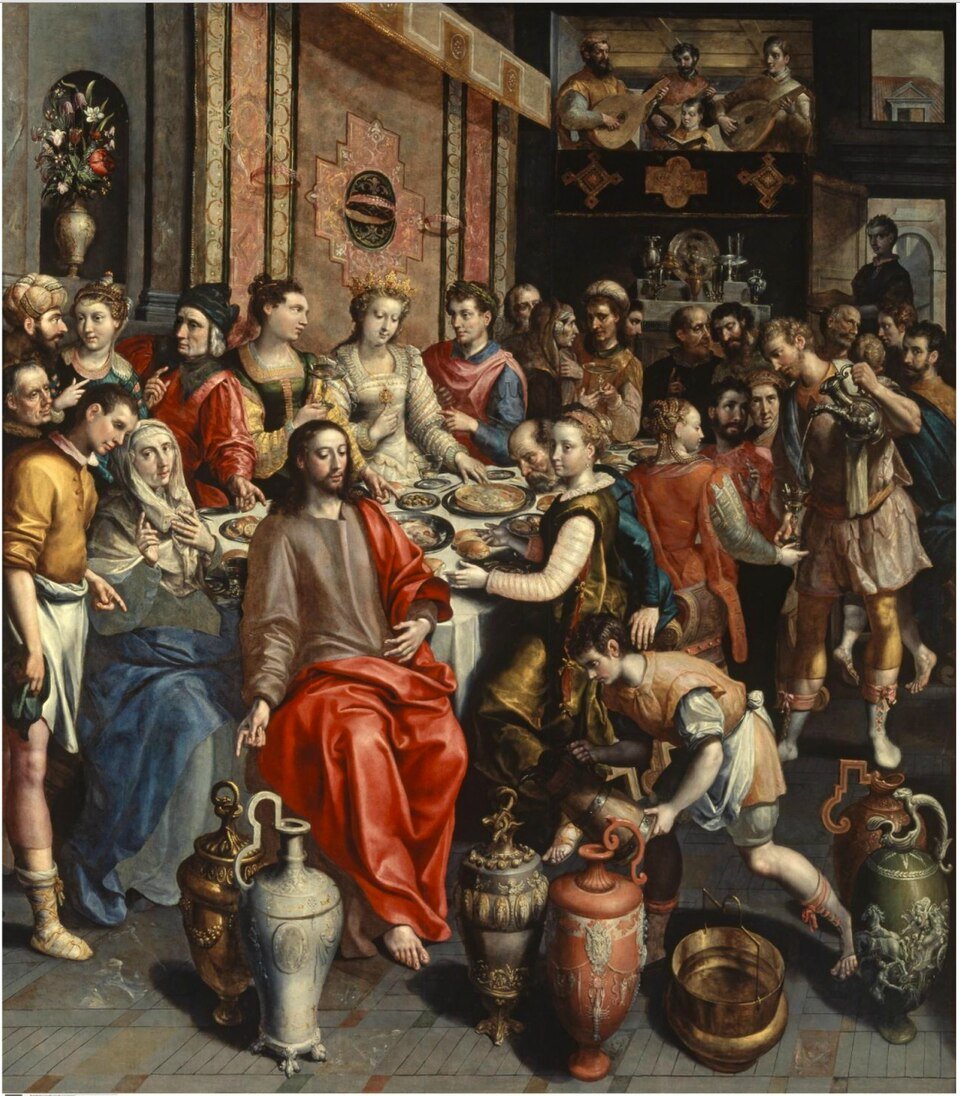
When guests gathered for a feast, the wine was poured from storage amphoras into a massive, central mixing bowl known as a krater. Because ancient vintages were thick, resinous concentrates prone to rapid spoilage, vintners utilized highly guarded traditional formulas during initial production—pre-infusing the wine at birth with botanical preservatives, herbs, and organic additives both for preservation and customer value-add.
Consequently, when the architriklinos (master of the feast)3 or a symposiarch stood over the krater, they weren’t just mixing a drink; they were managing a complex, pre-infused chemical compound. By calculating the precise water ratio, they unlocked a beverage that, in more esoteric or ritualistic cult environments, could easily be pushed into the realm of the deeply mood-altering and psychoactive
From Pompeii (79 AD), archaeochemists analyzed a preserved wine vessel (Vesuvius Cask) from an artisanal micro-vineyard buried by Mount Vesuvius. The residue analysis didn’t just show grapes; it revealed an intentional, pharmacologically active cocktail of opium, cannabis, henbane, and black nightshade.
In a Greek-influenced site in Spain, chemical analysis of ritual chalices confirmed the presence of ergot sclerotia—the exact parasitic fungus that grows on grains from which Albert Hofmann synthesized LSD. The ancients had learned how to isolate the water-soluble hallucinogenic alkaloids of ergot while leaving behind the lethal toxins.
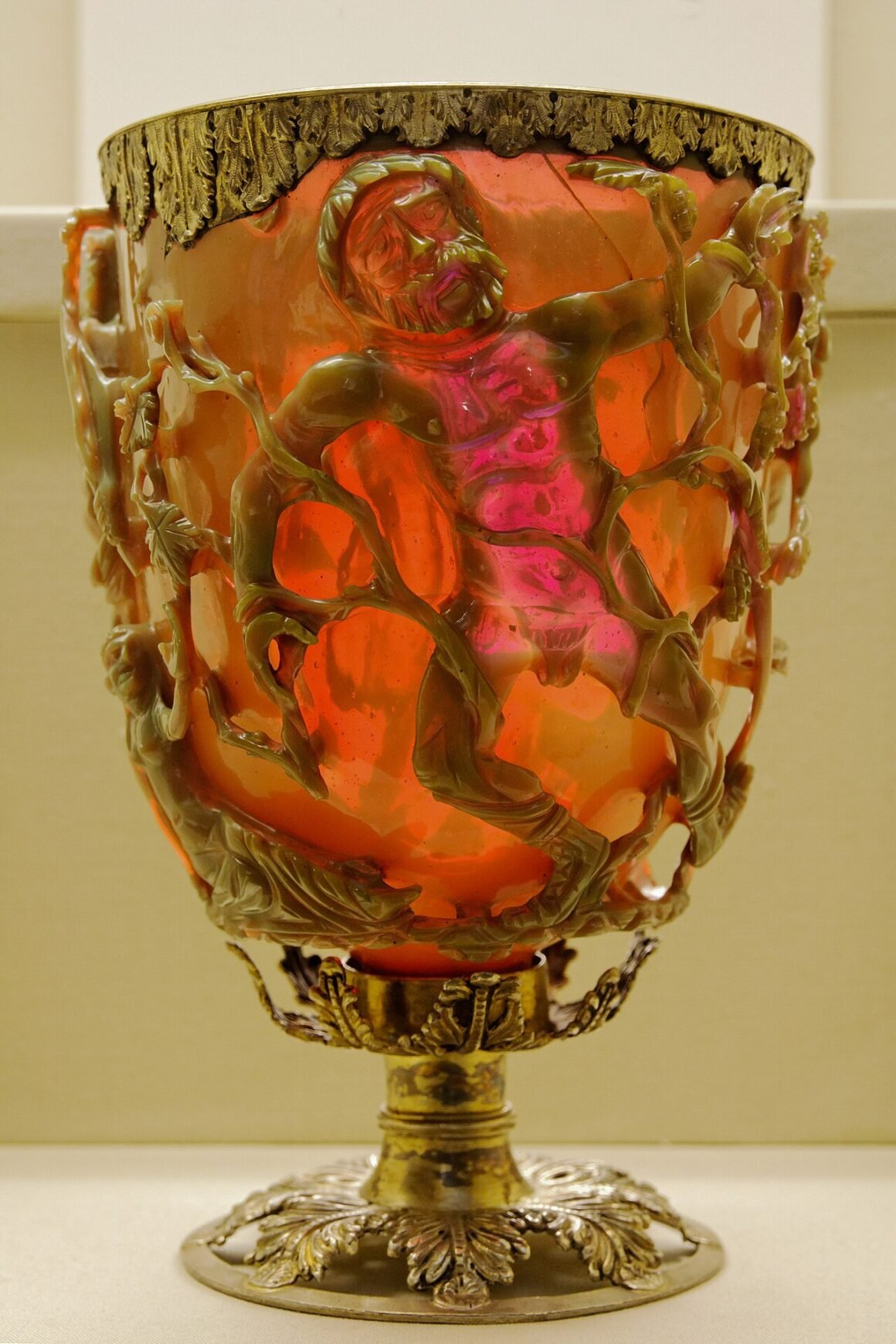
This chemical profile induced ecstasis (ecstasy), literally meaning “to stand outside oneself” through a shattering of ego-boundaries, and enthousiasmos (enthusiasm), meaning “to have a god inside you.” The resulting experience produced profound auditory and visual hallucinations, mania, and an intense, overwhelming feeling of mystical union with the deity. Such initiates who drank these sacred portions consistently reported a terrifying but transcendent transition from absolute darkness to blinding, heavenly light—a psychological death-and-rebirth experience that permanently cured their fear of bodily mortality.
By producing 120–150 gallons of kalon oinon at the end of the feast, Jesus completely upends standard Mediterranean hospitality economics, signaling an era of super-abundant eschatological joy.4
Beyond the Phenomenon: The Weight of the Semeion
This, the first of his signs, Jesus did at Cana in Galilee, and manifested his glory. And his disciples believed in him.
— John 2:11
John does his listeners a favor and tells us this is “the first of his signs.” Literally, it’s the “genesis” (archē) of them. Here begins yet another thematic thread that weaves through John’s gospel. “Signs” in John function as revelatory events for the initiate to “see” the glory (John 2:11) and engage directly with their meanings.
David Wead and other scholars (N.T. Wright, Kostenberger & Spong) note that, unlike the Synoptics, which primarily use dynamis (power/miracle), John exclusively uses the Greek word semeion. John will use signs as a primary narrative anchoring device, primarily in the first half, leading up to the Cross and Resurrection. John’s signs act as signposts, drawing the observer further in “that they know you, the only true God, and Jesus Christ whom you have sent” (John 17:3).
“John’s use of semeion demands a response of faith that goes beyond the physical phenomenon. The sign is a vehicle for truth; to stop at the miracle itself is to miss the meaning of the sign entirely.”
— David Wead
Signs have meanings and require trust (i.e., faith), whether it was a star or a resurrection. In John, the first sign occurs at a wedding. It seems fitting, given John’s love of heptads (groups of seven) and literary devices, that it is both the first sign, at the end of the first week, and that there are seven (maybe 8) signs5, given that ancient Jewish wedding feasts were often a week long. This won’t be the last time a wedding comes up as a theme in John. Major marriage motifs will make more appearances at the end of chapter 3 and again in chapter 4.
Wead’s work on Johannine literary devices highlights that a sign always points beyond the physical act to the metaphysical identity of Jesus. The water-to-wine is an enacted parable requiring initiated “eyes to see.”
The Gospel is an outpouring that meant the old world officially was a dead man walking.
Continuing Through Cana
After this, he went down to Capernaum, with his mother and his brothers and his disciples, and they stayed there for a few days.
— John 2:12
The transition from the wedding directly to the Temple is a calculated literary move. The next blog on John will pick up with Capernaum and Jesus cleansing the Temple, and maybe move into the conversation with Nicodemus in chapter 3.
“The first sign takes place at a wedding; the second main event in the chapter takes place in the Temple. The two belong together… The old house is being replaced by the new reality.”
— N.T. Wright
Footnotes (& Leftovers)
- “On the third day” is also a foreshadowing to later in 2:19 & 21, where Jesus alludes to His resurrection in connection with destroying the Temple. The Greek is not identical, literally “on the day the third” vs. “within three days.” Interestingly, the New Testament, by the time John was writtent used “on the day the third” for the Resurrection (Luke 18:33; Matthew 20:19; 1 Corinthians 15:4) while John will instead center the frame on the Sabbath: “on the first of the sabbaths” (John 20:1). ↩︎
- It is also a remez, or a Jewish allusion, to Genesis 41:55, when Pharaoh tells all the Egyptians to “Go to Joseph [for bread]. What he says to you, do,” specifically in the Septuagint (LXX). While John doesn’t shy away from pagan imagery and Greco-Roman philosophy, he also weaves Old Testament themes simultaneously. This little “nod” by John sets up the coming bread symbolism, which will pull on both Jewish, like mana, and Roman concepts, like Ceres. ↩︎
- This is also an irony John sets up between the master of the feast (architriklinos) and the low-status servants (diakonoi). John writes that the master tasted the wine but “did not know where it came from,” immediately adding a parenthetical contrast: “(though the servants who had drawn the water knew)” (John 2:9). This is another textbook Johannine enthymeme—an incomplete logical syllogism (a form of reasoning) where the writer purposefully leaves the conclusion unstated so the reader has to complete the math on their own. The unstated premise is devastating to the religious elite: the institutional manager of the banquet is completely blind to the manifestation of divine glory, while the nameless, marginalized laborers who actually bore the physical weight of the water are the ones initiated into the mystery. John uses this exact rhetorical device to involve the reader; we are forced to realize that spiritual proximity and institutional authority mean absolutely nothing in the New Creation. ↩︎
- Wine that was unmixed and undiluted was called “uncut” (𝝰𝝹𝝦𝝰𝝩𝝾𝝇). One of the few groups that intentionally drank akratos was the radical initiates of the Dionysian mystery cults, including Alexander the Great. Such feats often resulted in violent illness or death. John’s use of “good wine,” while also coinciding with the first sign and “third day,” will pay dividends later. ↩︎
- Expect more on this topic. ↩︎